A field reference on the sealed, insulated rubber boot: how it works, where it came from, and how cold it goes.
the lineup
- Sealed insulation that stays dry
- -79°F coldest rating in the line
- 1951 first issued by the U.S. military
Bunny Boots
The short version
Warm feet at forty below start with dry insulation.
A bunny boot seals its insulation between two layers of rubber. Snowmelt can't get in from outside and sweat can't get in from inside, so the insulation stays dry and keeps working. The U.S. military proved the design in Korea in 1951. When military production wound down, Alaska Gear Company rebuilt it with a modern design. This site covers all of it: the history, the engineering, the ratings, and the boots built on it today.
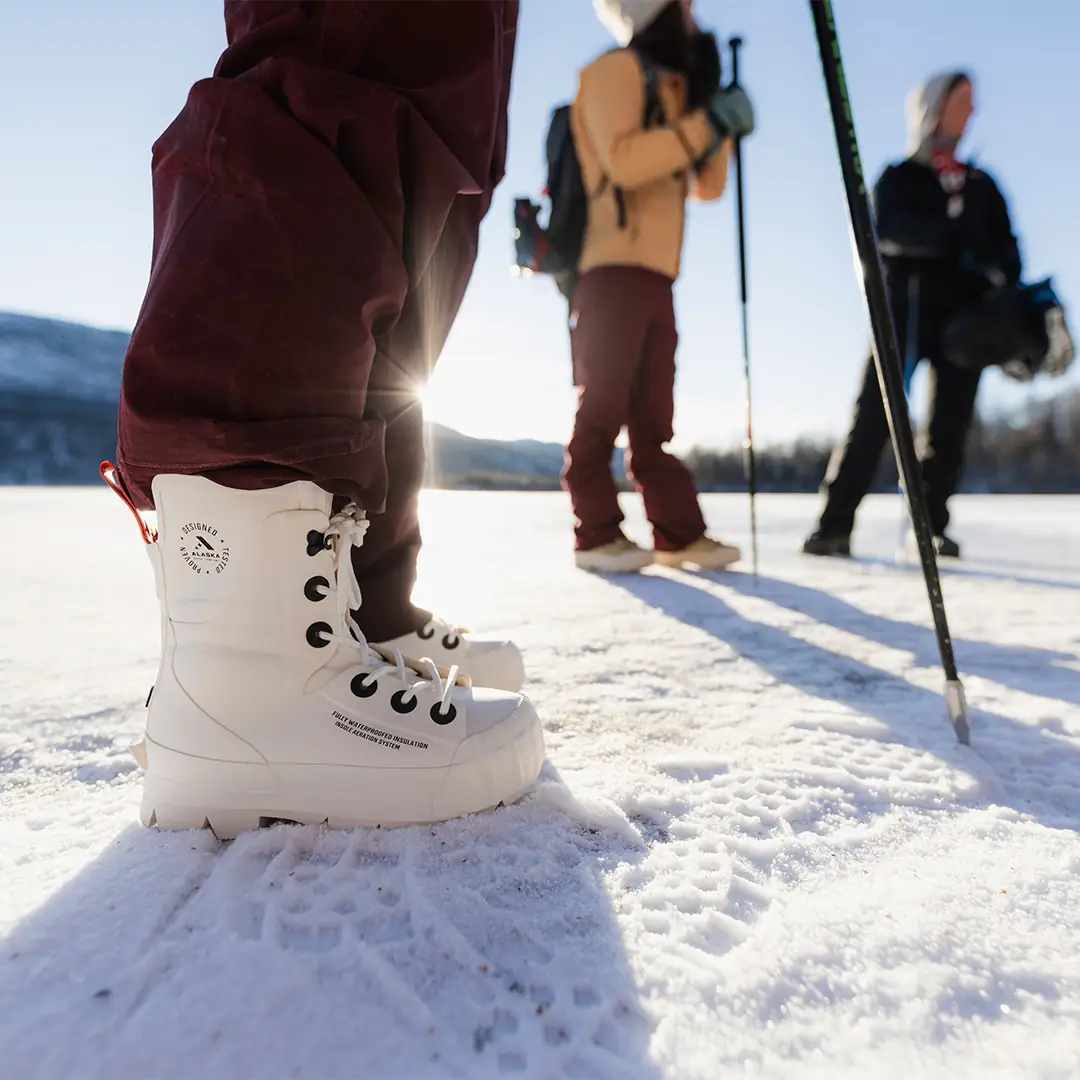
01 / The problem
Cold feet are almost always wet feet.
Insulation works by trapping still, dry air. Add water and it stops working. In winter boots the water comes from two places: the ground outside and the foot inside.
Water conducts heat about 26 times better than air. Damp insulation loses much of its warmth.
OpenStax College Physics, thermal conductivity tableWet feet lose heat about 25 times faster than dry feet, and trench foot can develop at air temperatures as high as 60°F if feet stay wet.
OSHA and CDC/NIOSH cold stress guidanceSweat alone cuts boot insulation by 9 to 36 percent, and very little of it escapes winter footwear.
Kuklane, Holmér, and Giesbrecht, Applied Human Science, 1999After 18 hours standing in water, waterproof-breathable leather boots lost 27 to 35 percent of their insulation. Vapor barrier boots lost 5 to 6 percent and stayed dry inside.
U.S. Army Research Institute of Environmental Medicine, Endrusick 2001
Field notes
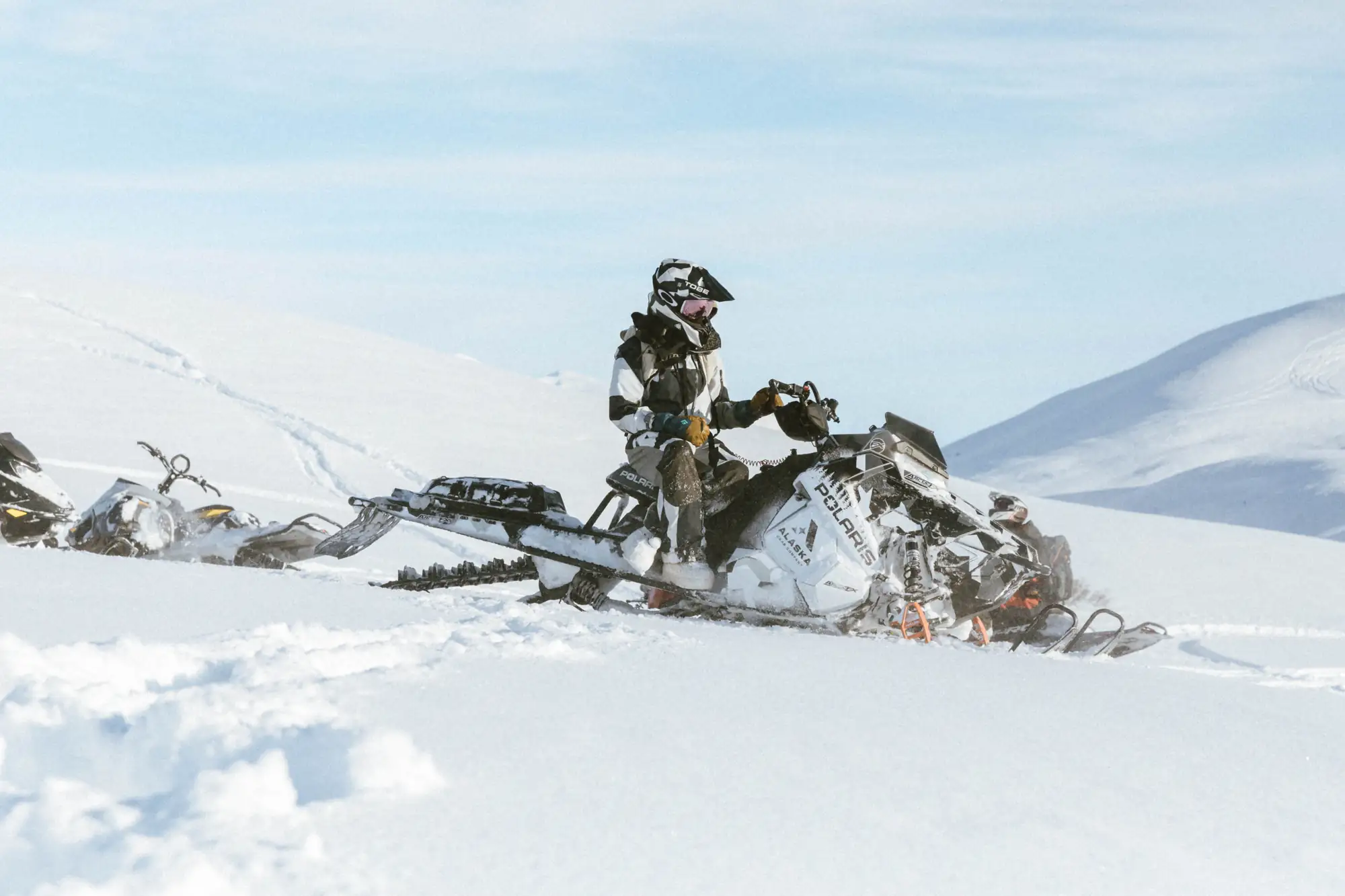
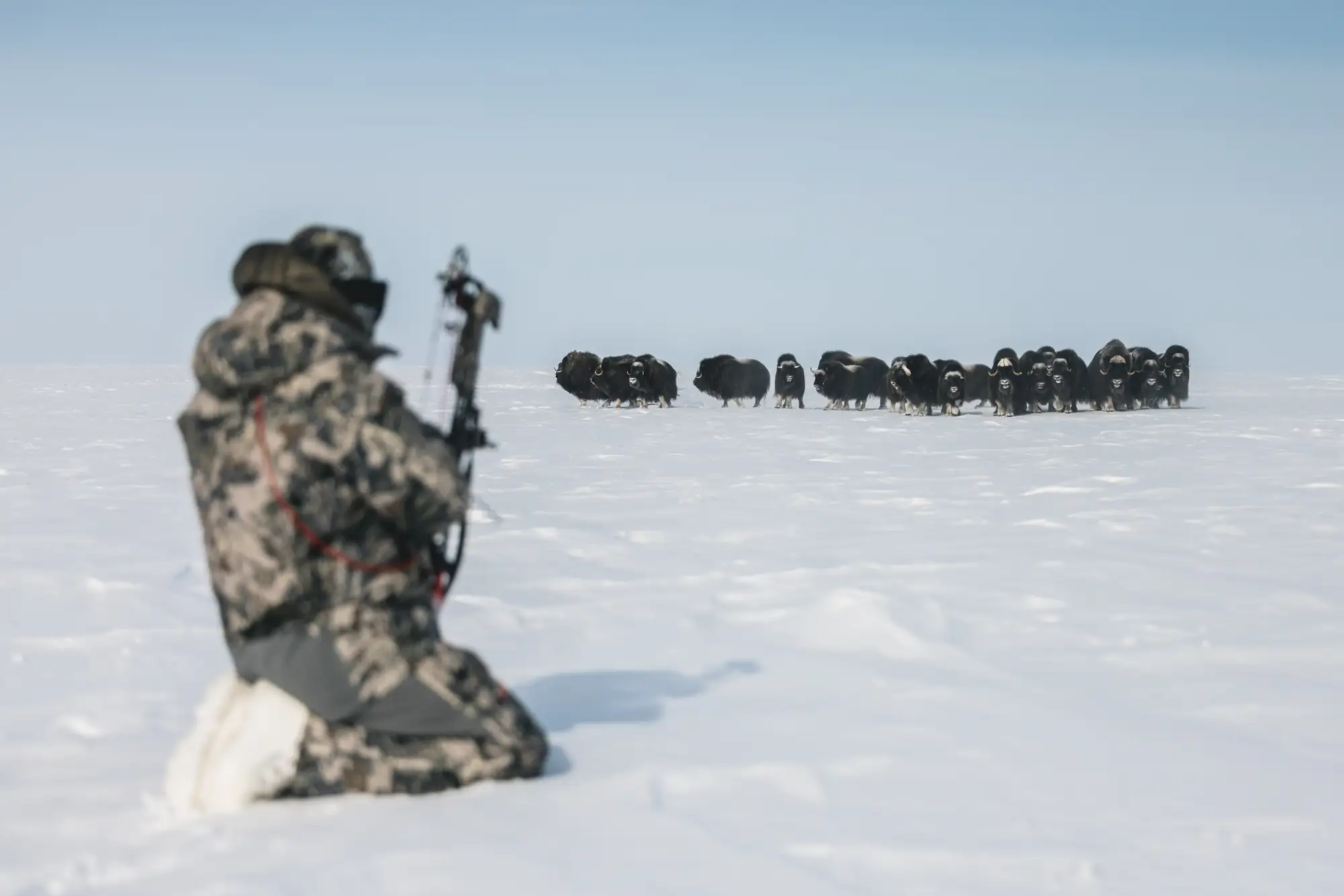
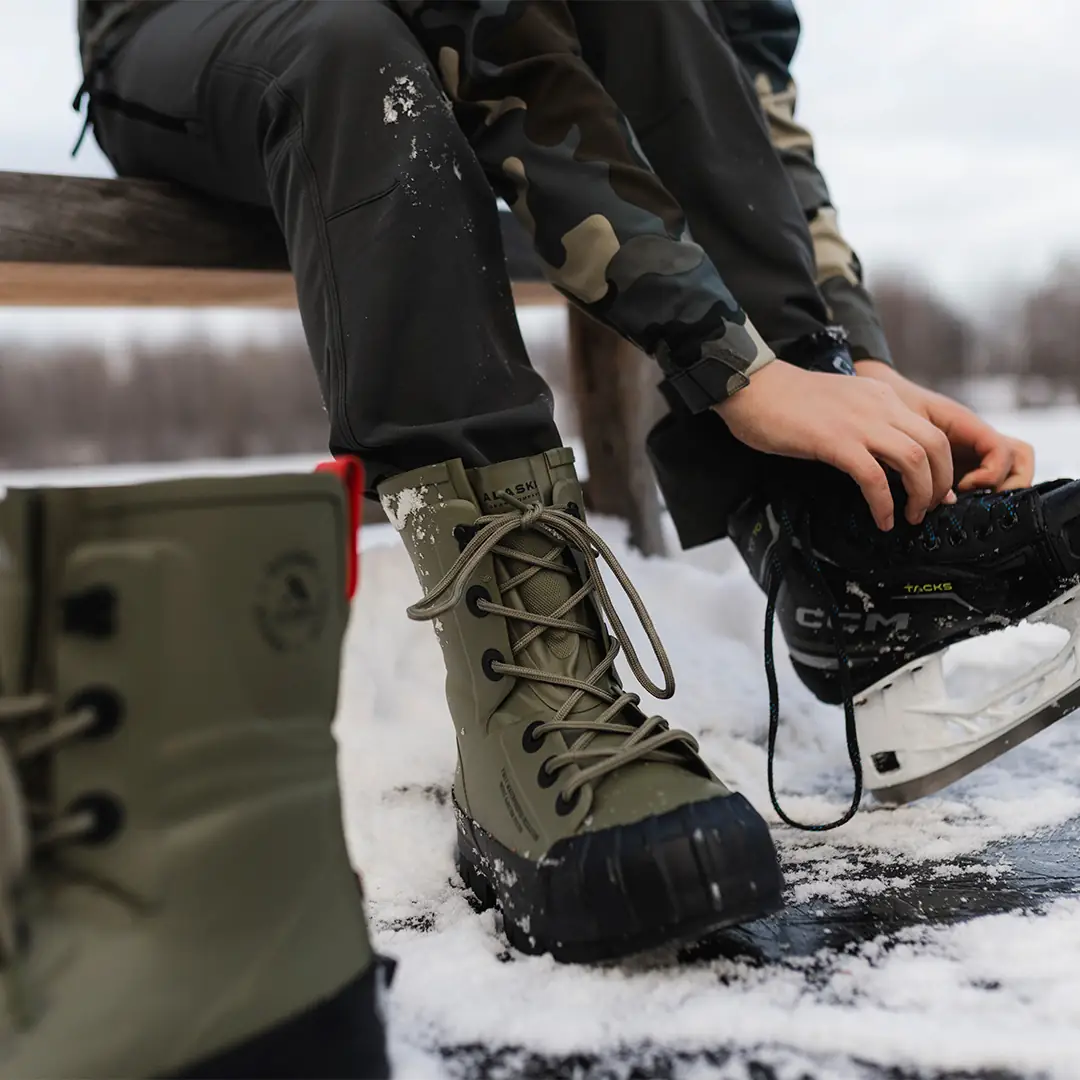
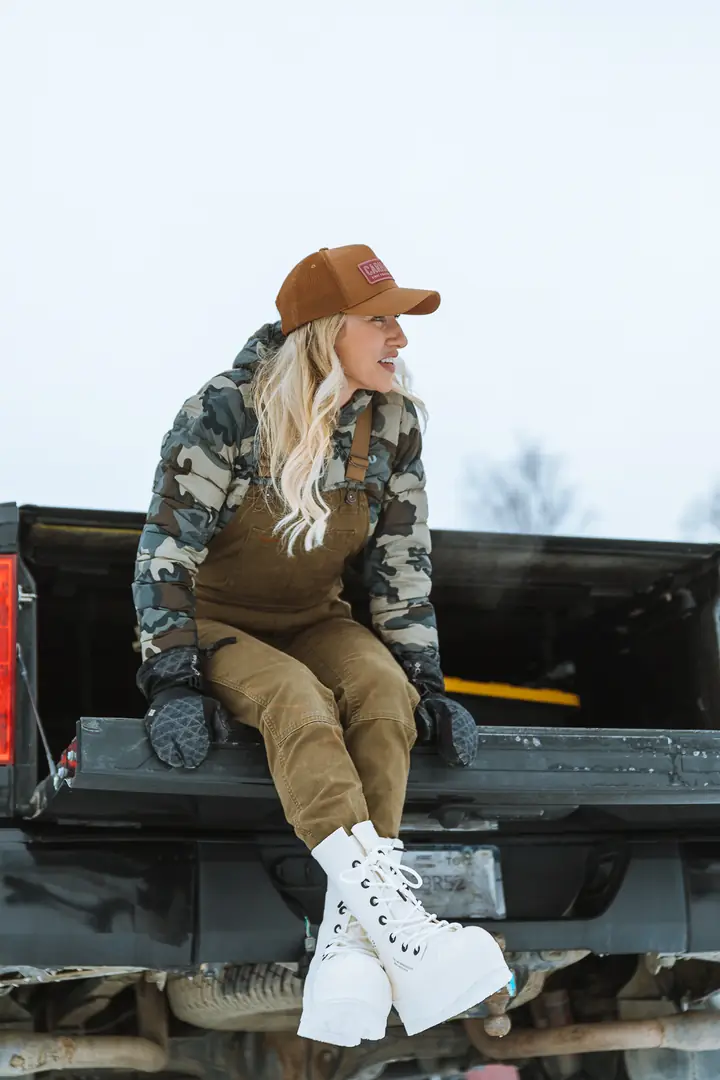
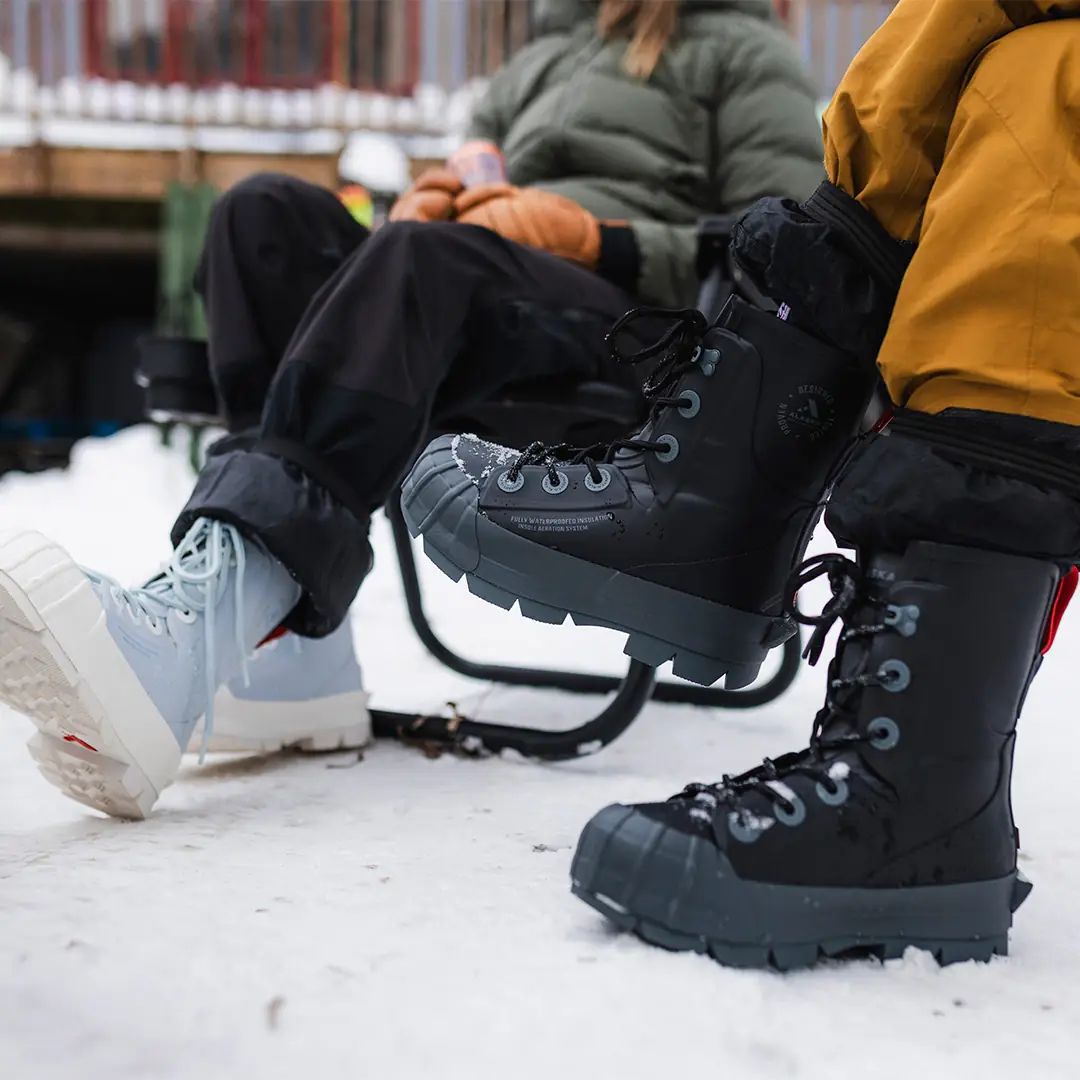
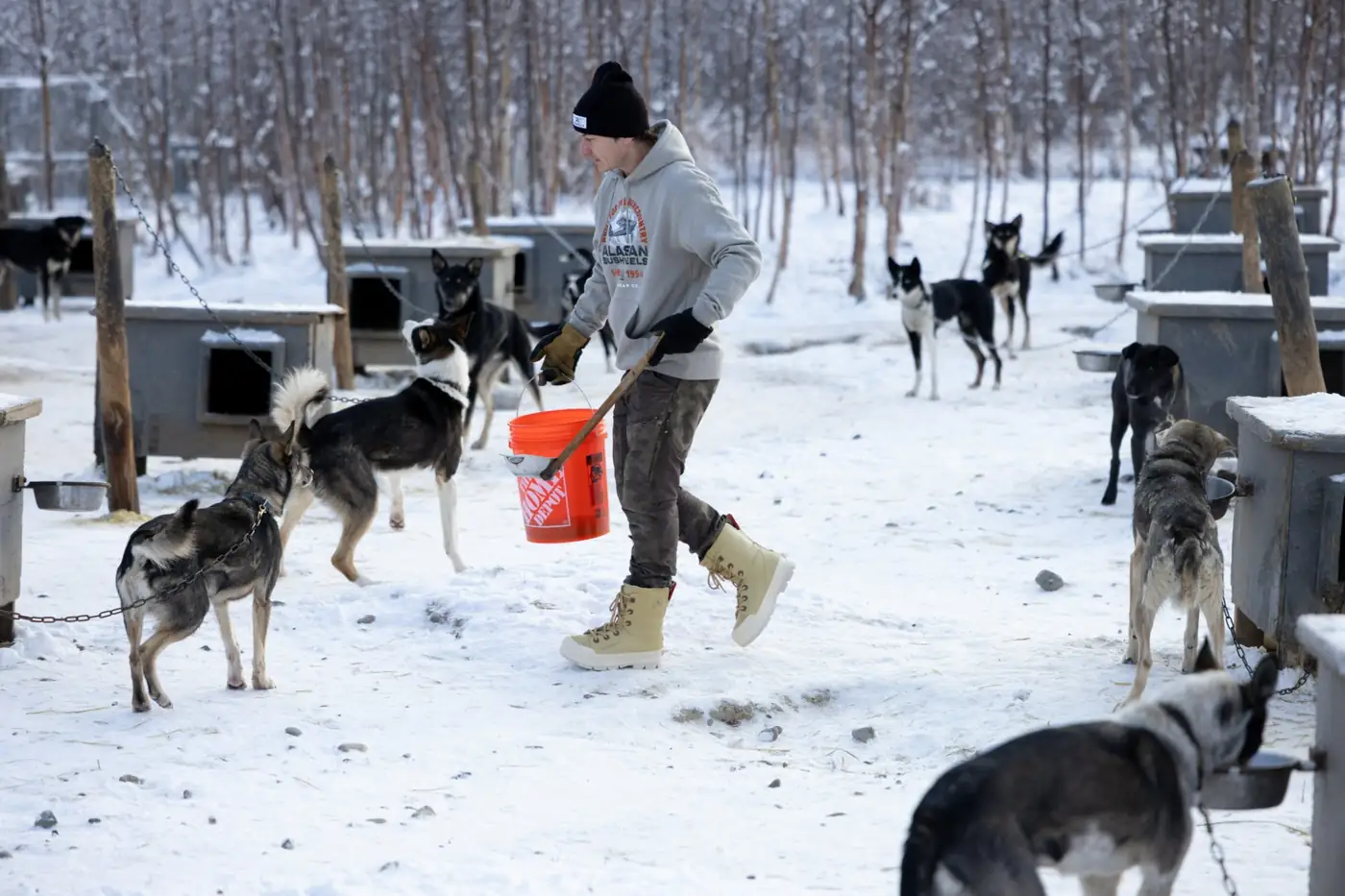
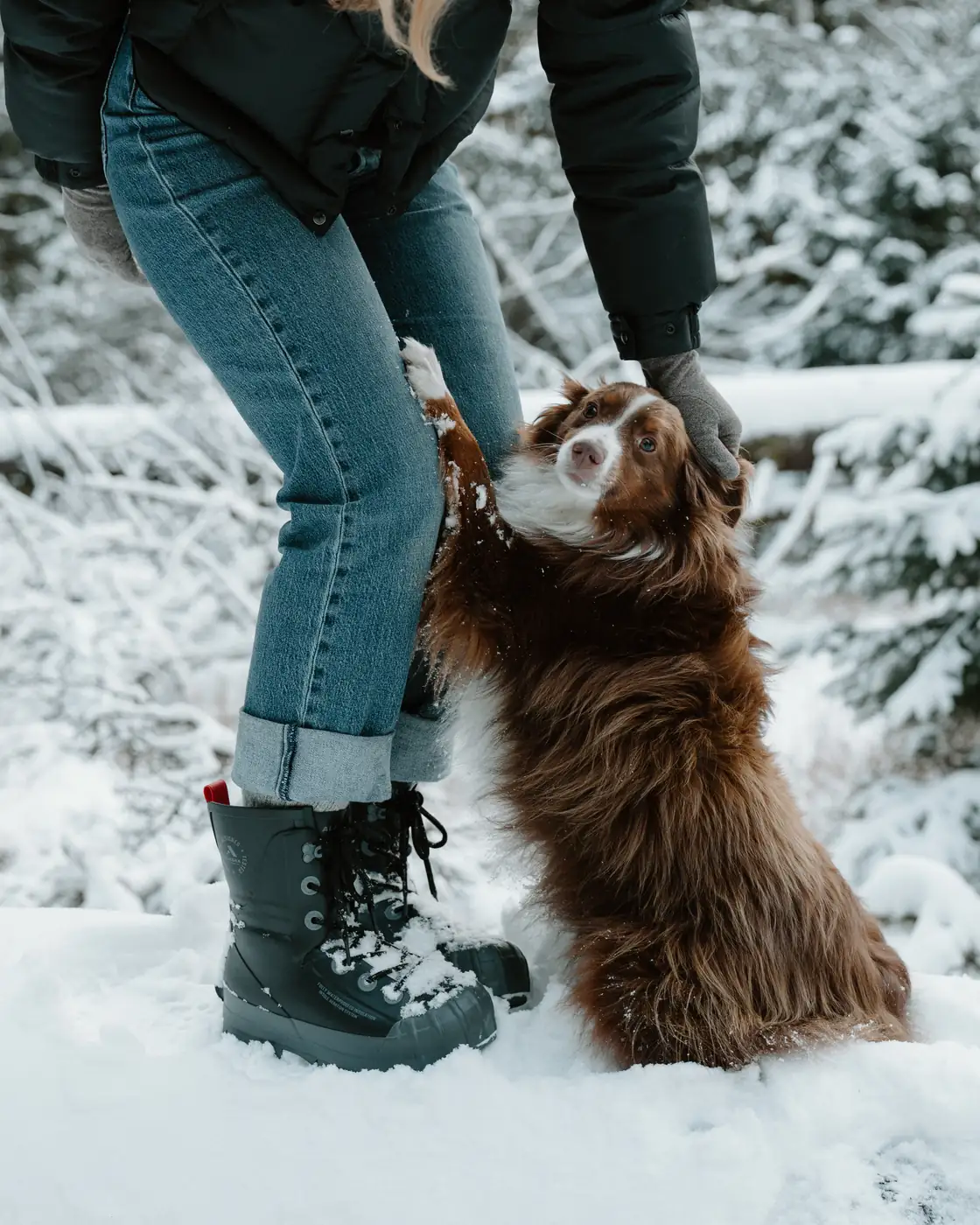
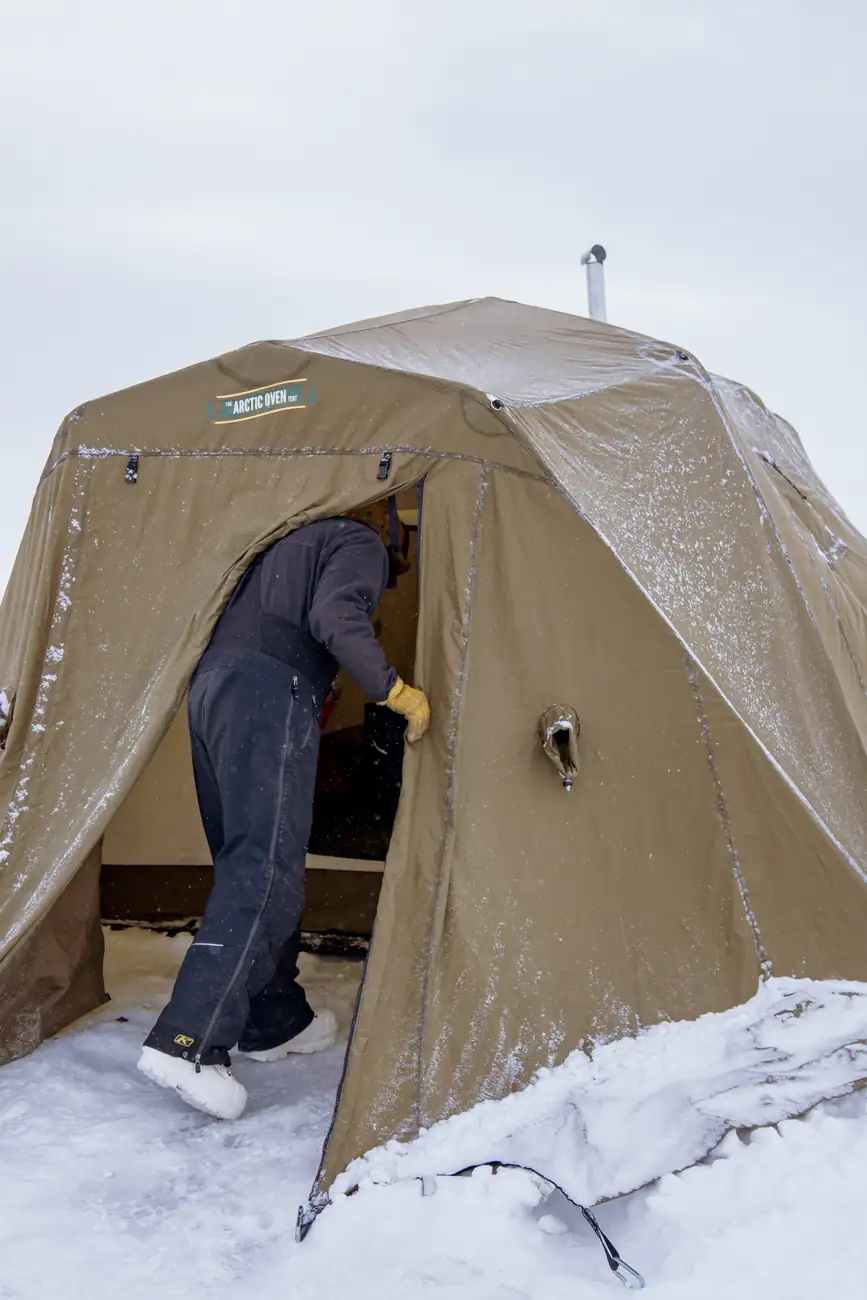
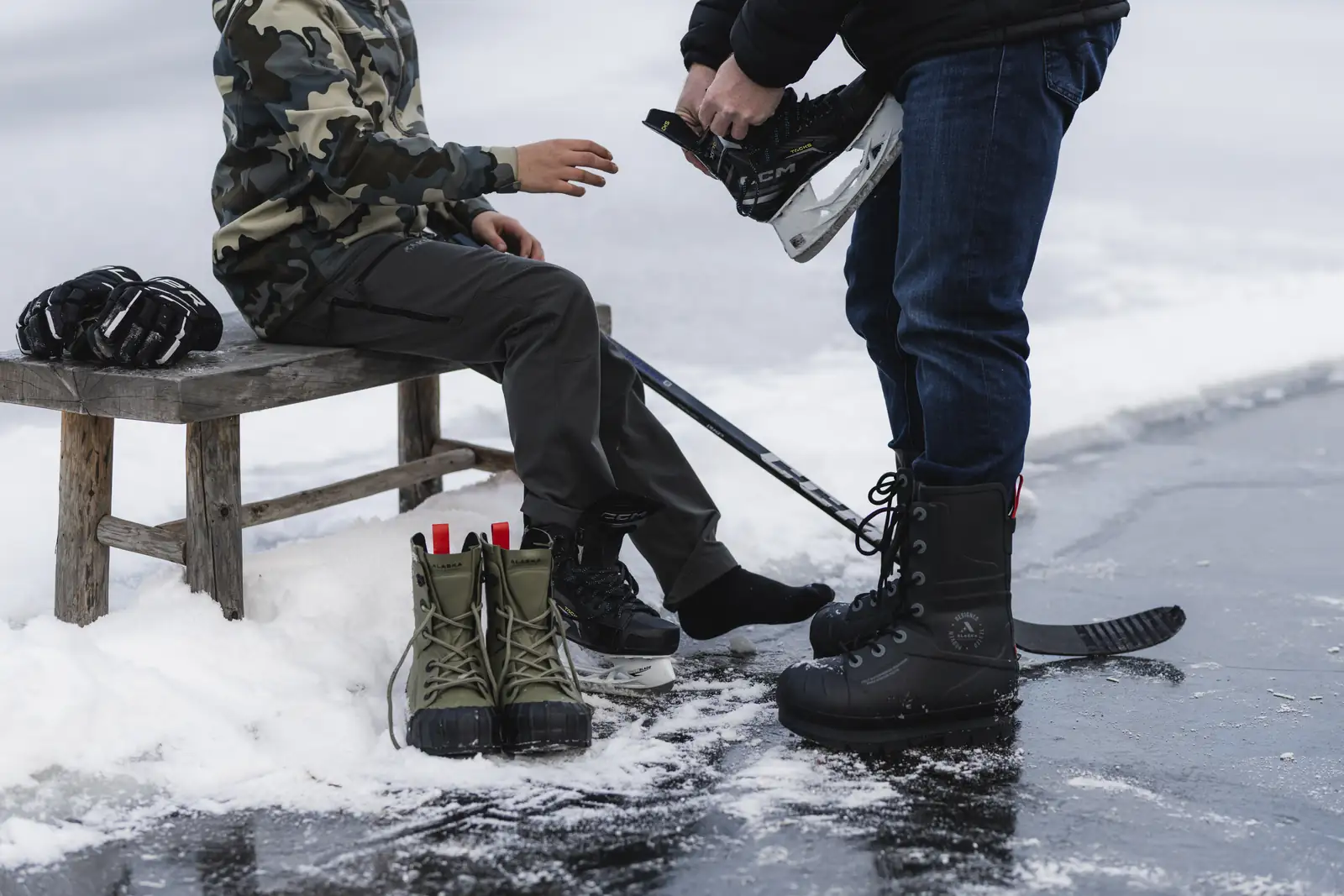
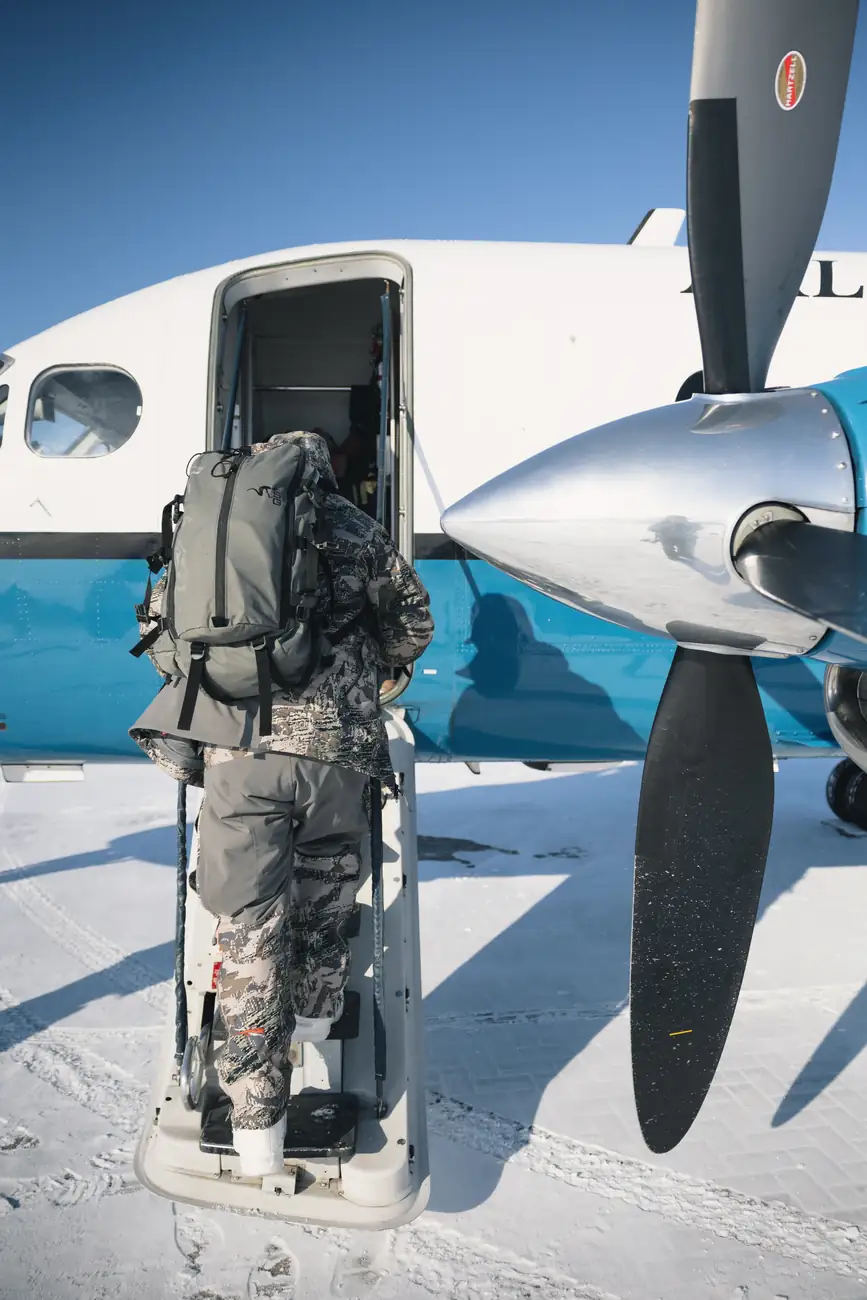
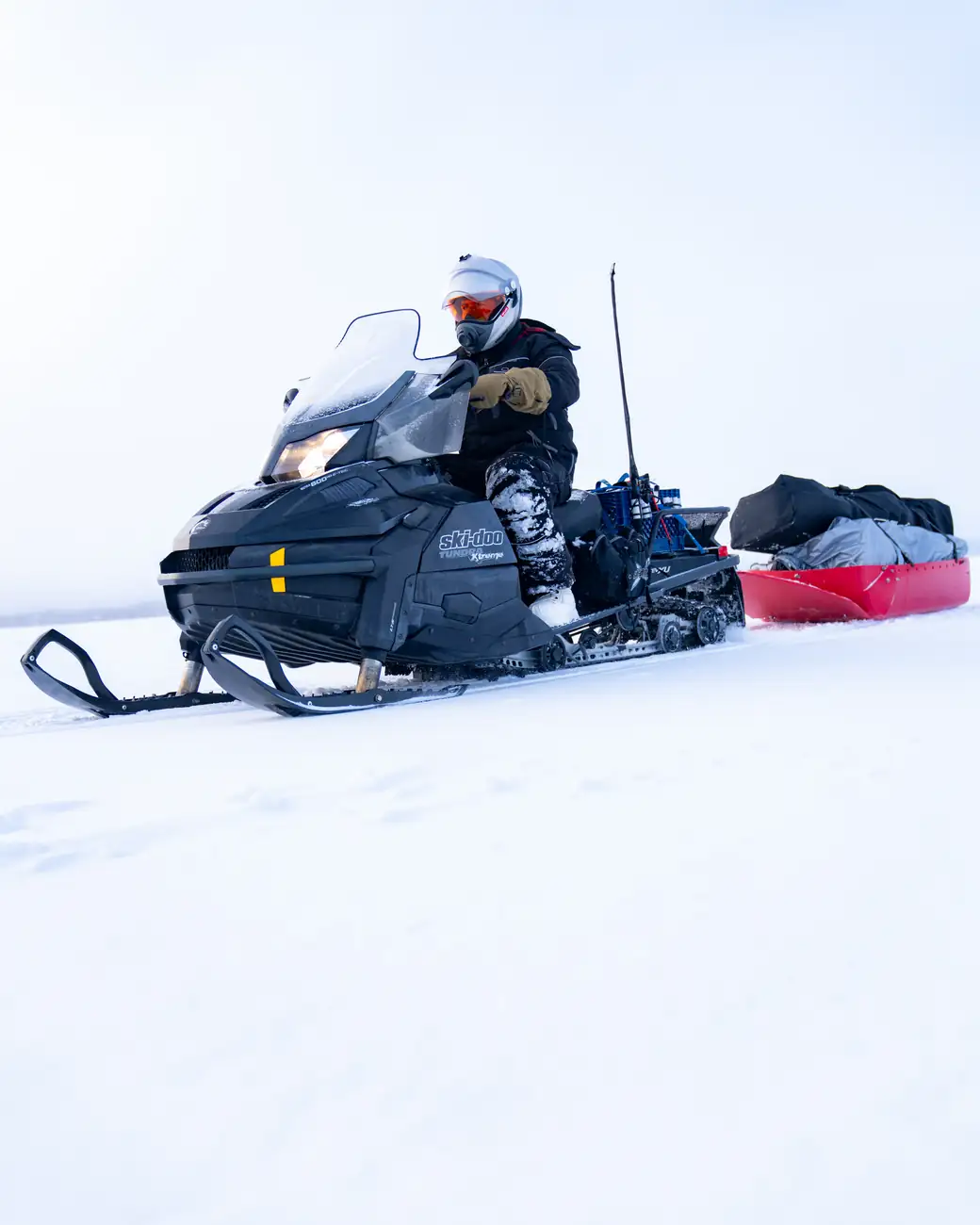
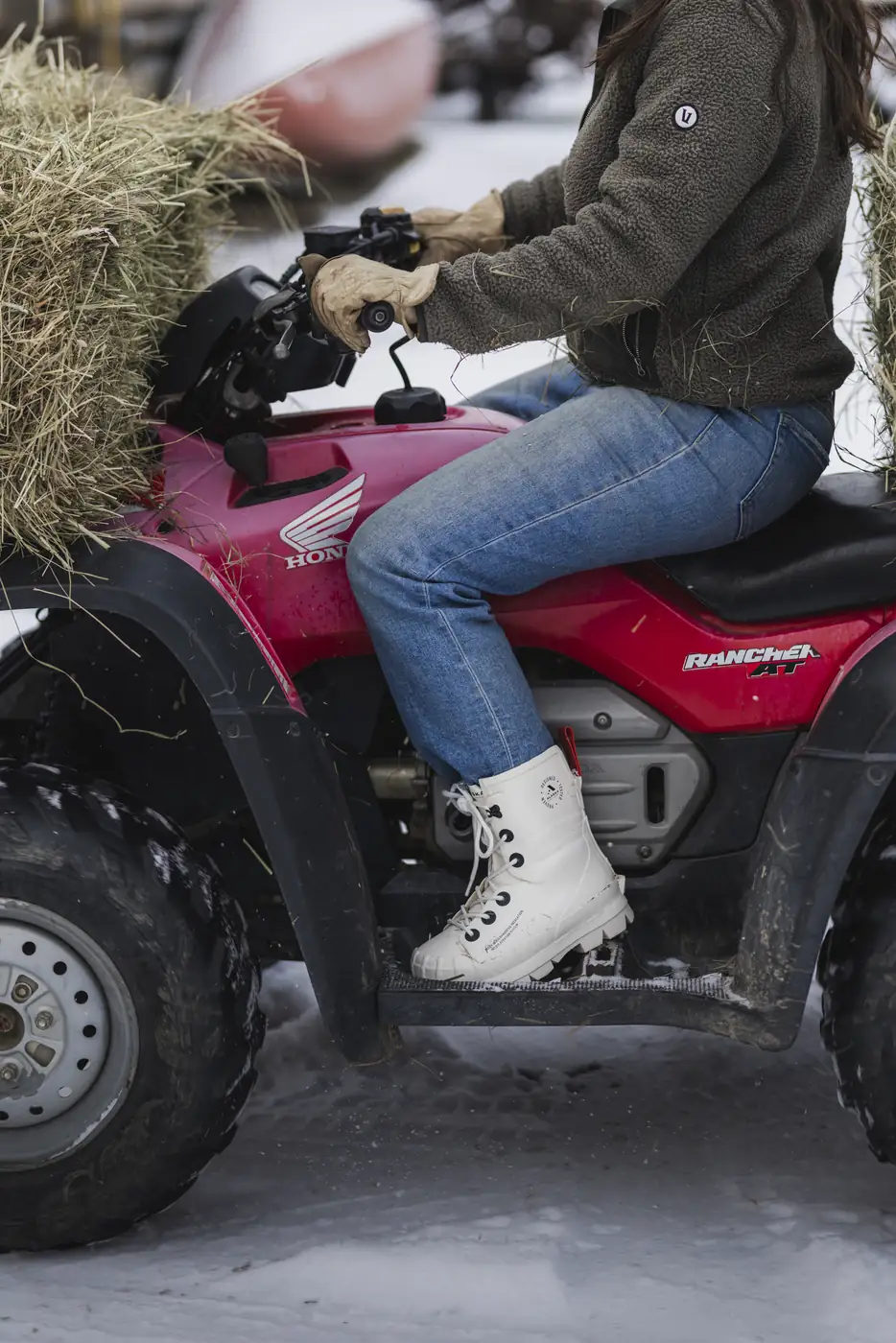
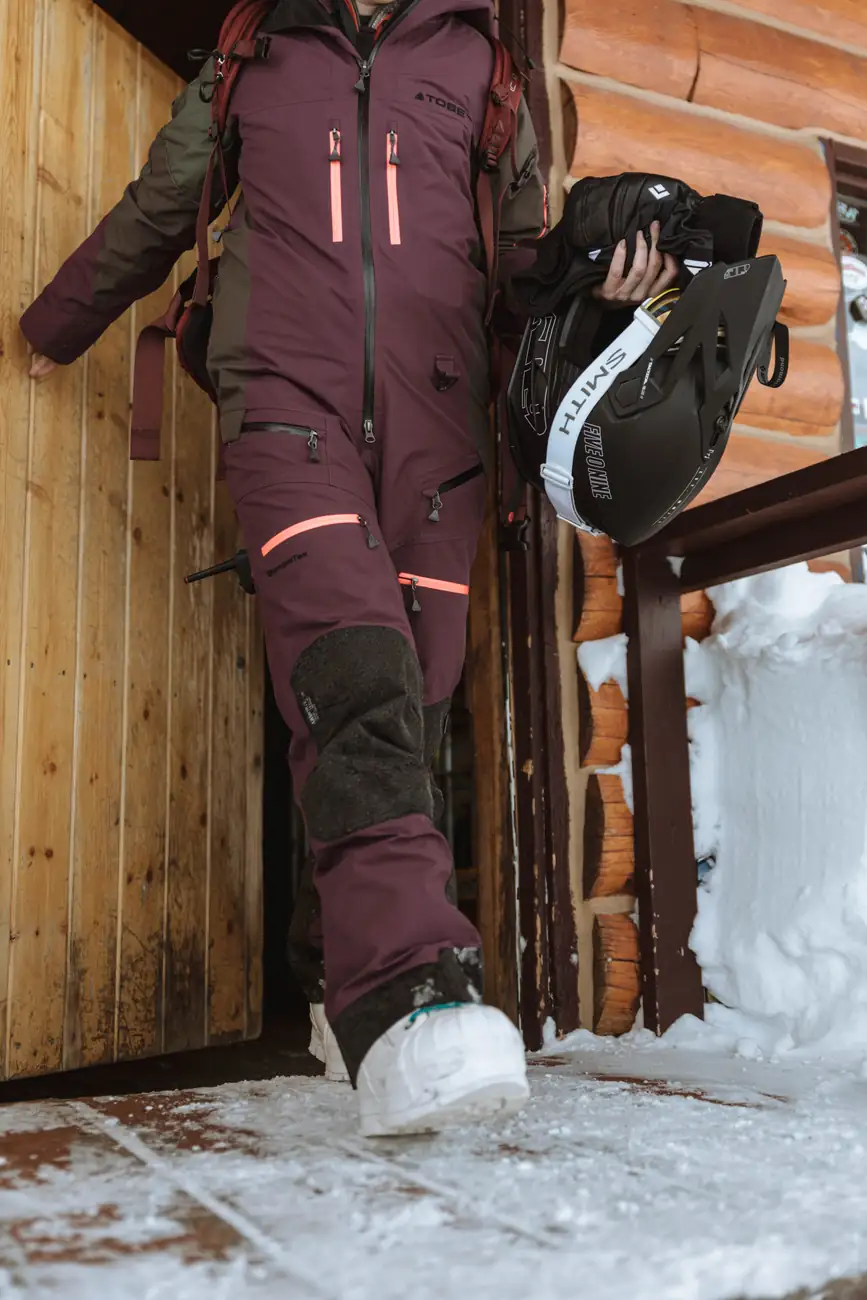
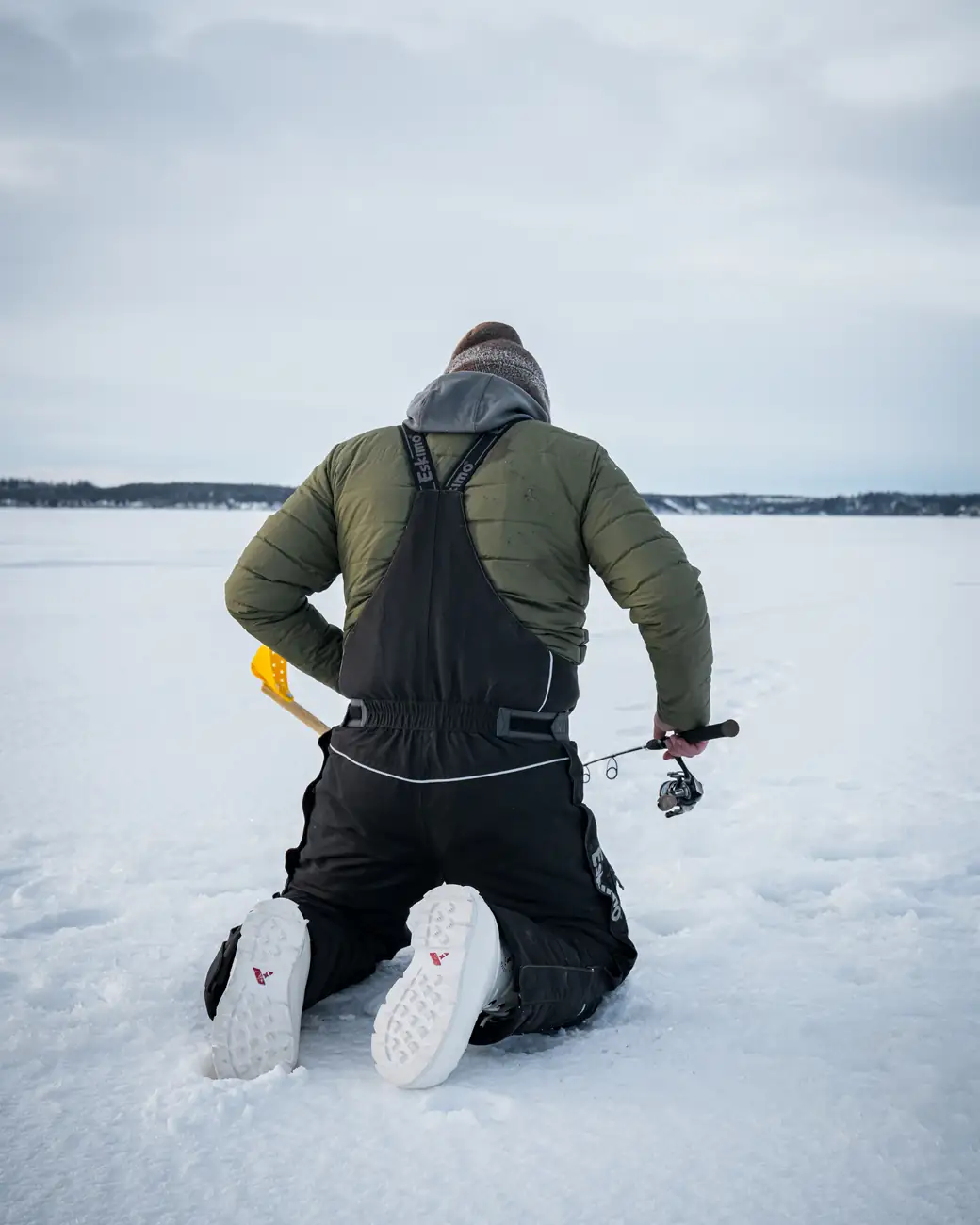
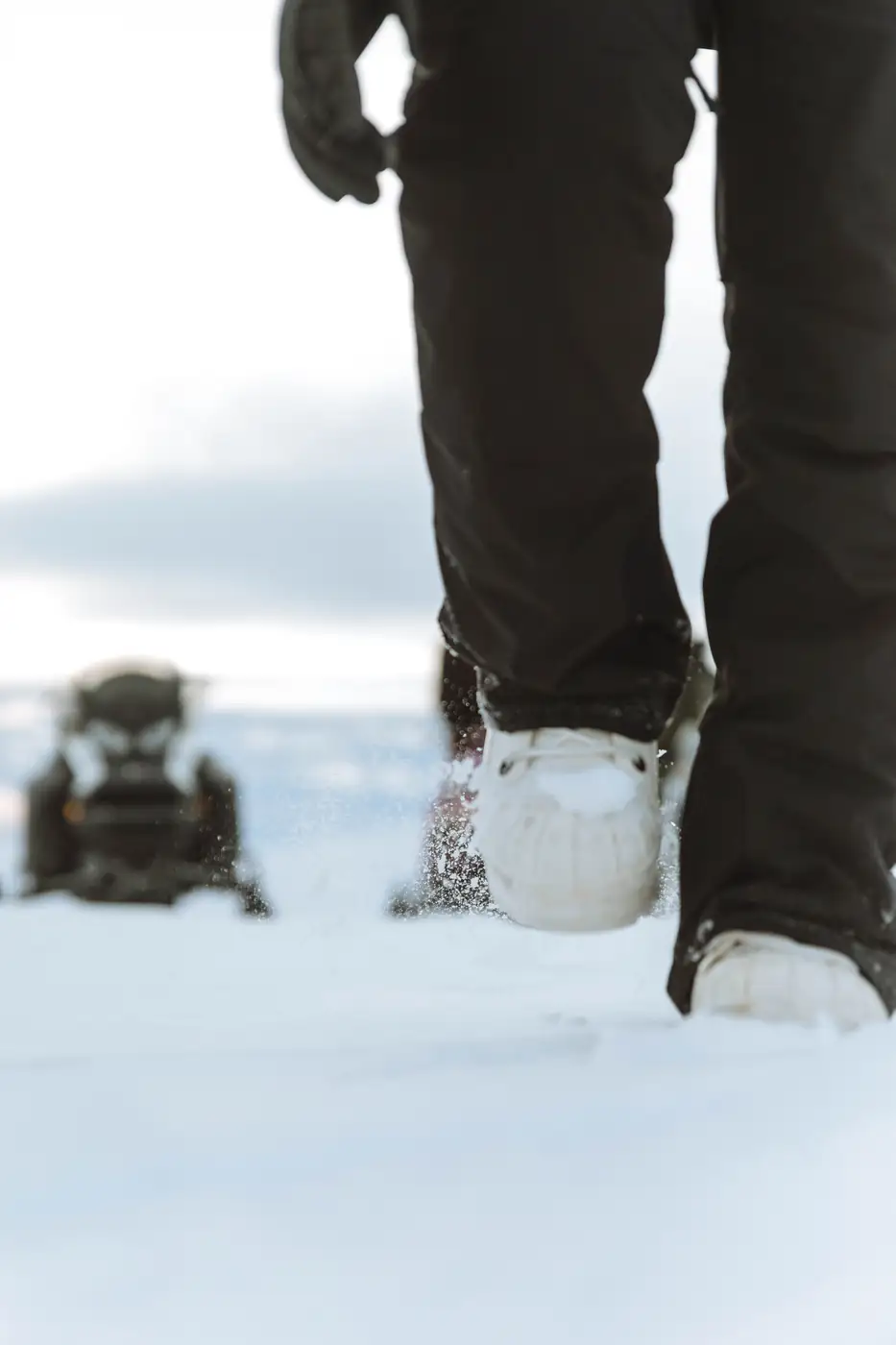
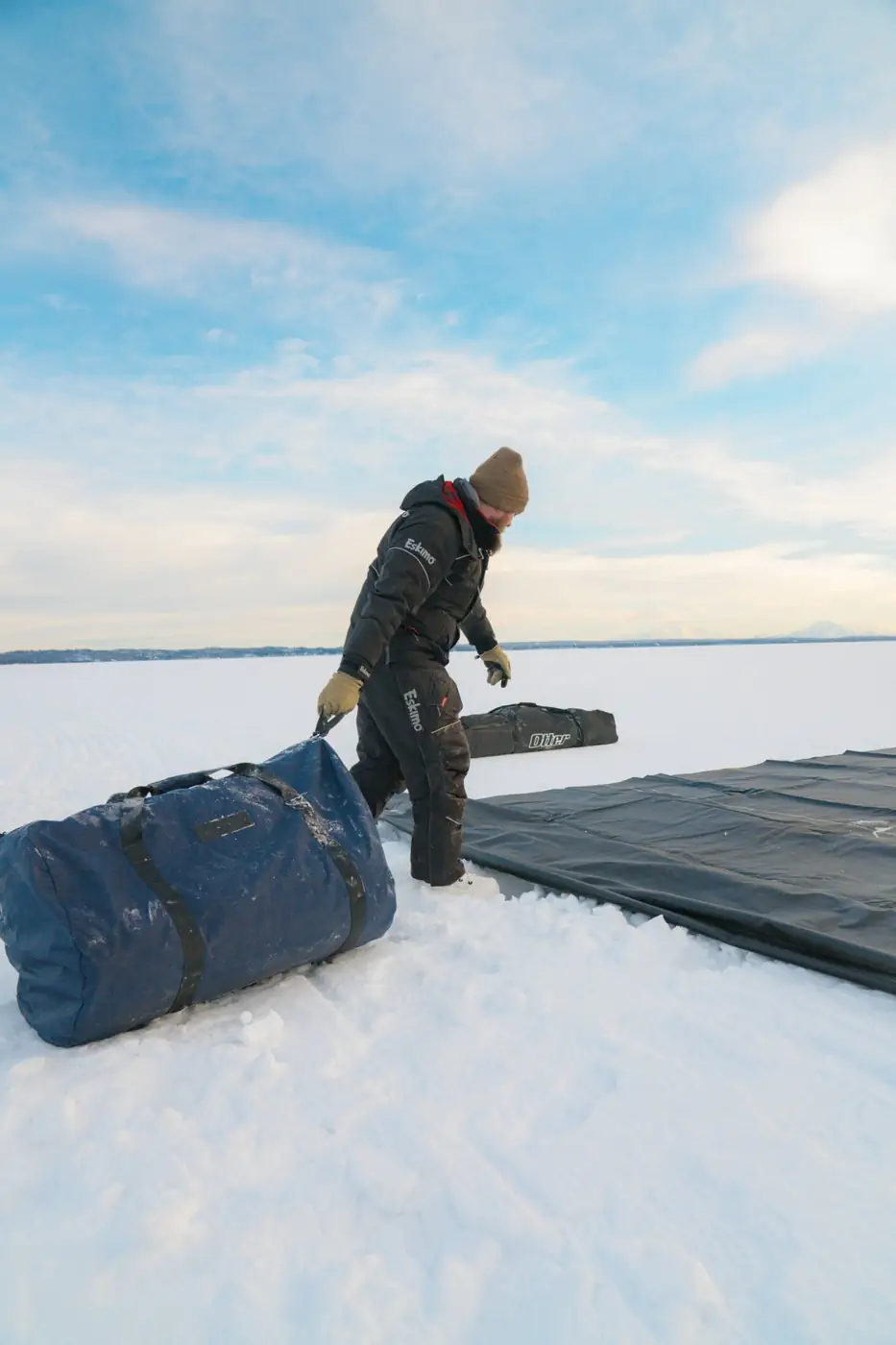
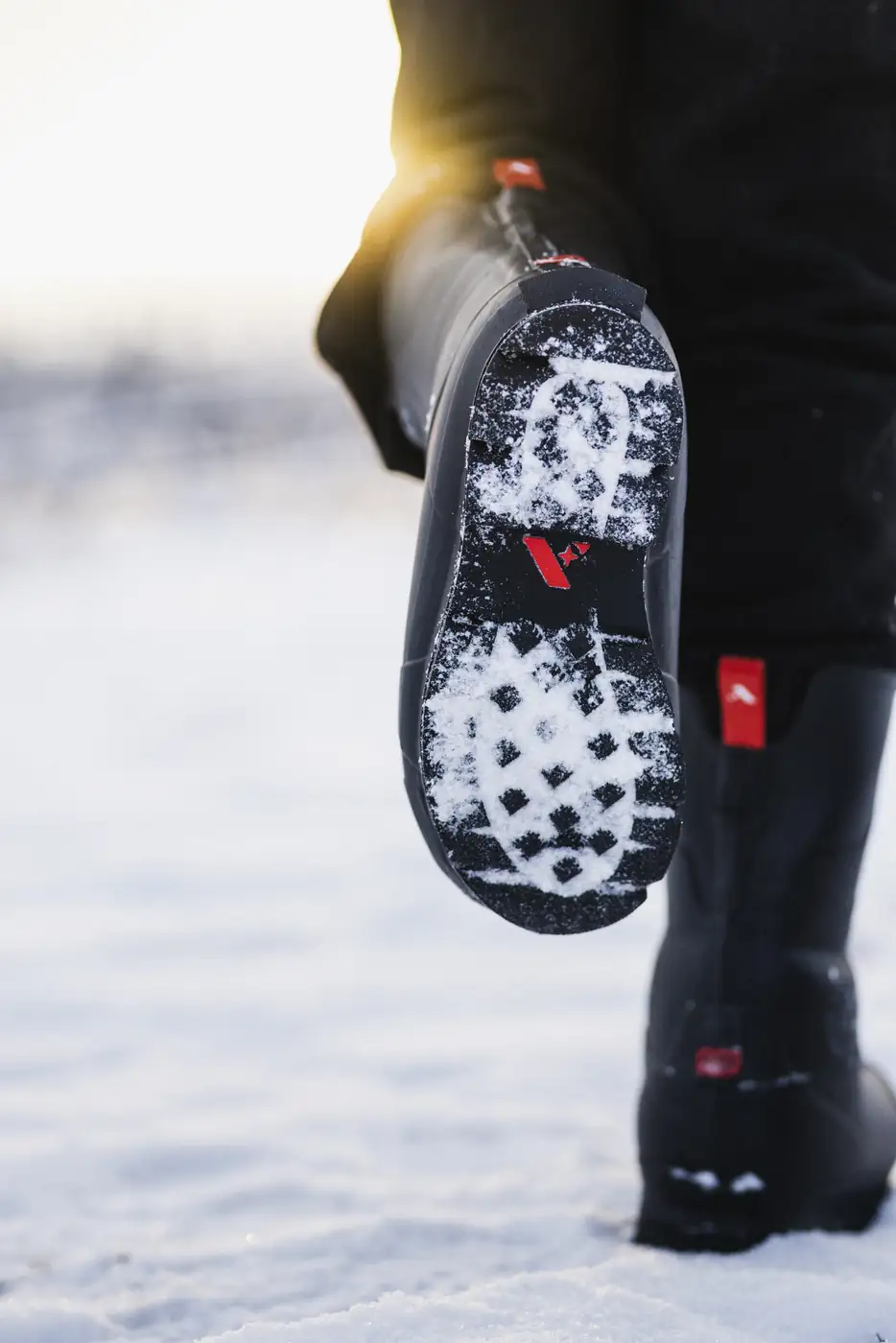
Where bunny boots get worn.
Ice camps, airstrips, traplines, and the driveway. Scroll sideways.
02 / The engineering
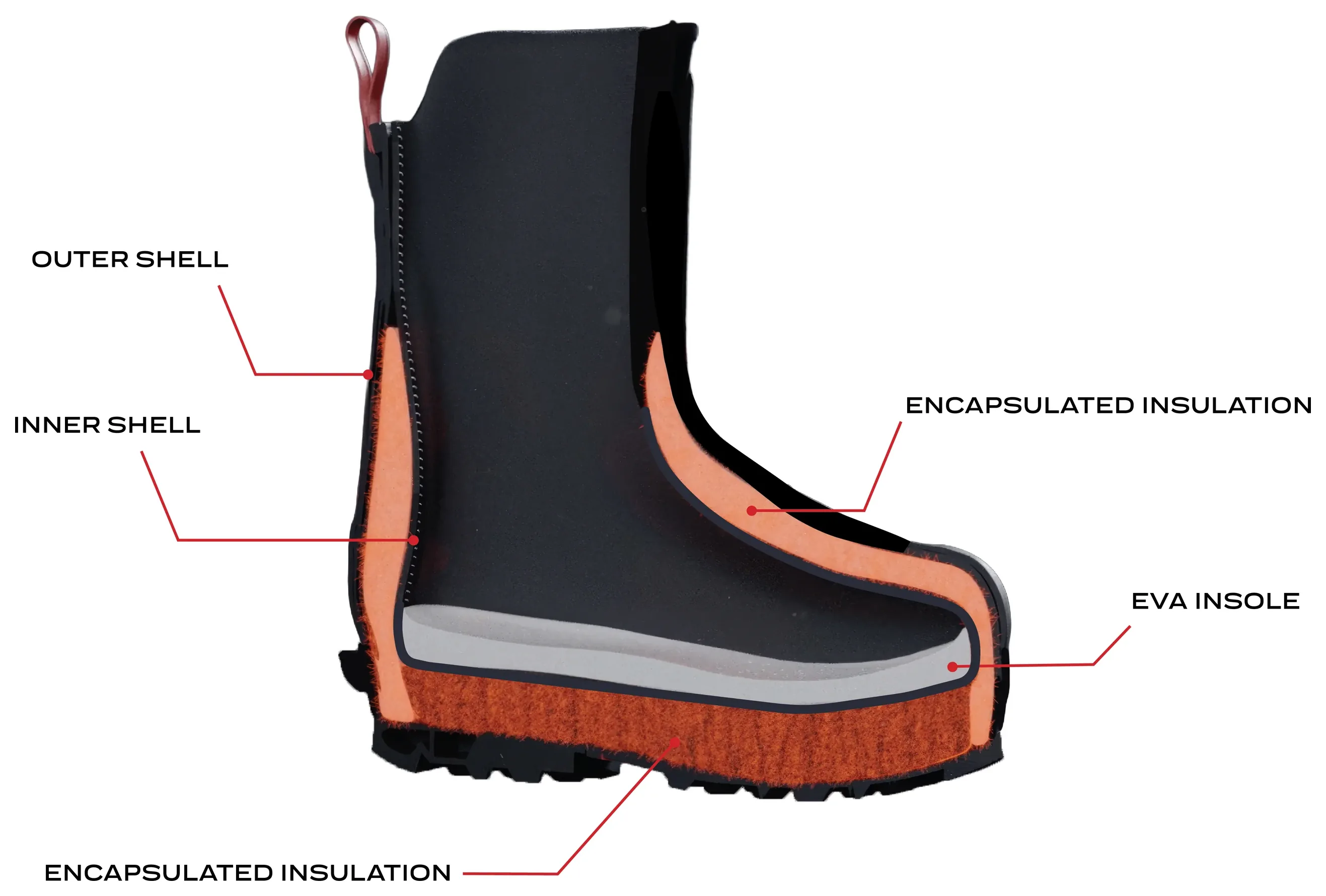
Two seals with dry insulation between them.
The outer rubber keeps out snow, slush, and overflow. The inner rubber keeps sweat on the foot side. The insulation in the middle never gets wet, so it holds its value all day, whether you are standing on a frozen lake or wading through slush.
Your sock will get damp. That is expected, and it is why a dry pair of socks once a day restores a dry, fully insulated foot.
03 / The cold scale
Find your boot on the cold scale.
Move the marker to the coldest temperature you expect. Each bar shows where a boot keeps you warm all day, where it handles work and time outside, and its limit for short exposure. Ratings are the manufacturer's and are a guide, explained here.
- VBX MAX-34° / -57° / -79°F
- VBX COMPOSITE-31° / -53° / -76°F
- VBX NEO-27° / -50° / -72°F
- VBX LITE-5° / -28° / -45°F
- Ankle Deck Boot VBXRated to -35°F
04 / The lineup
The current lineup, from -79°F to wet slush.
Five boots share the same sealed VBX construction. They differ in how much insulation they carry, how tall they are, and what they are built to do.
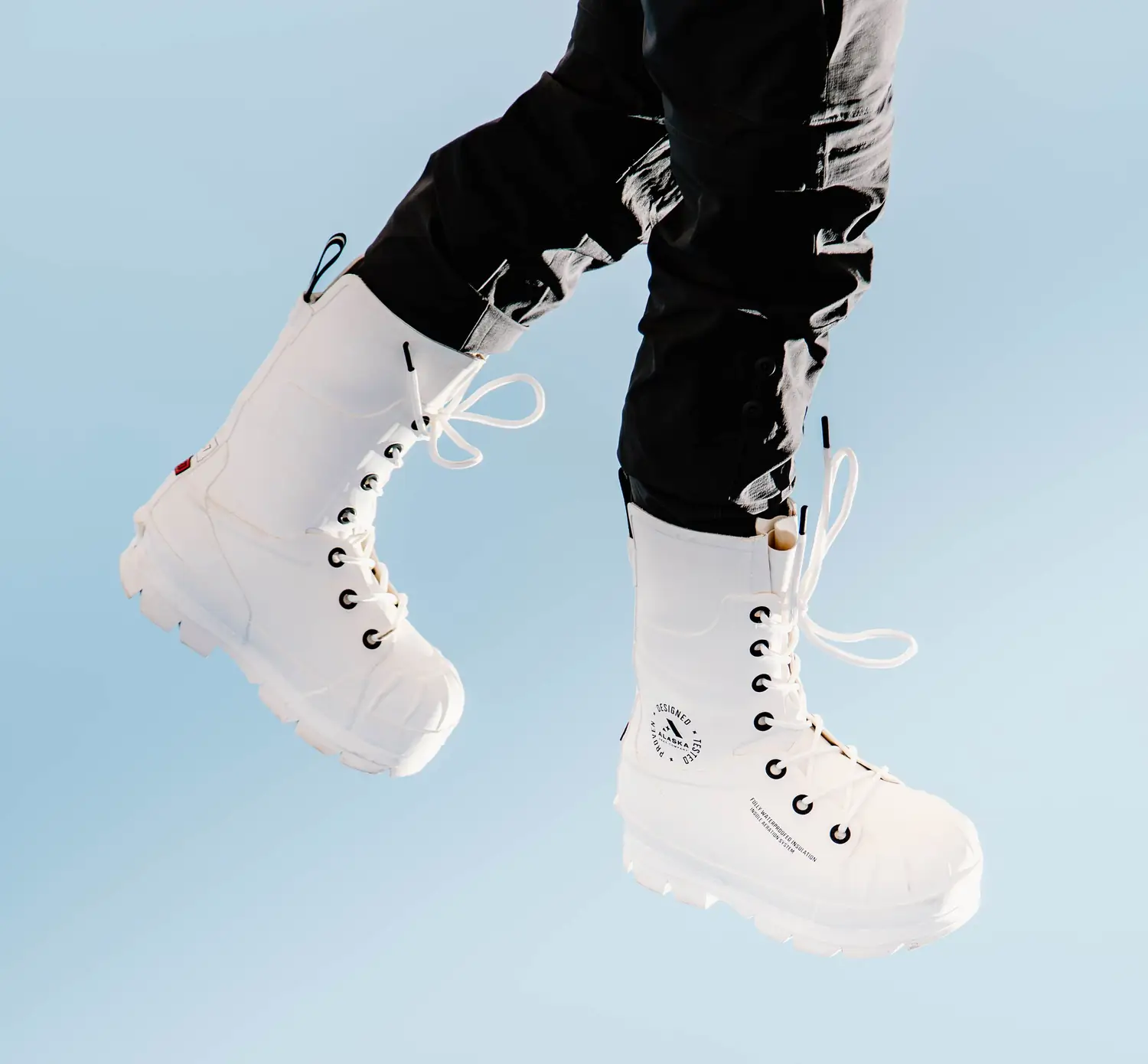
VBX MAX
Extreme cold and long hours standing still
Max -79°F
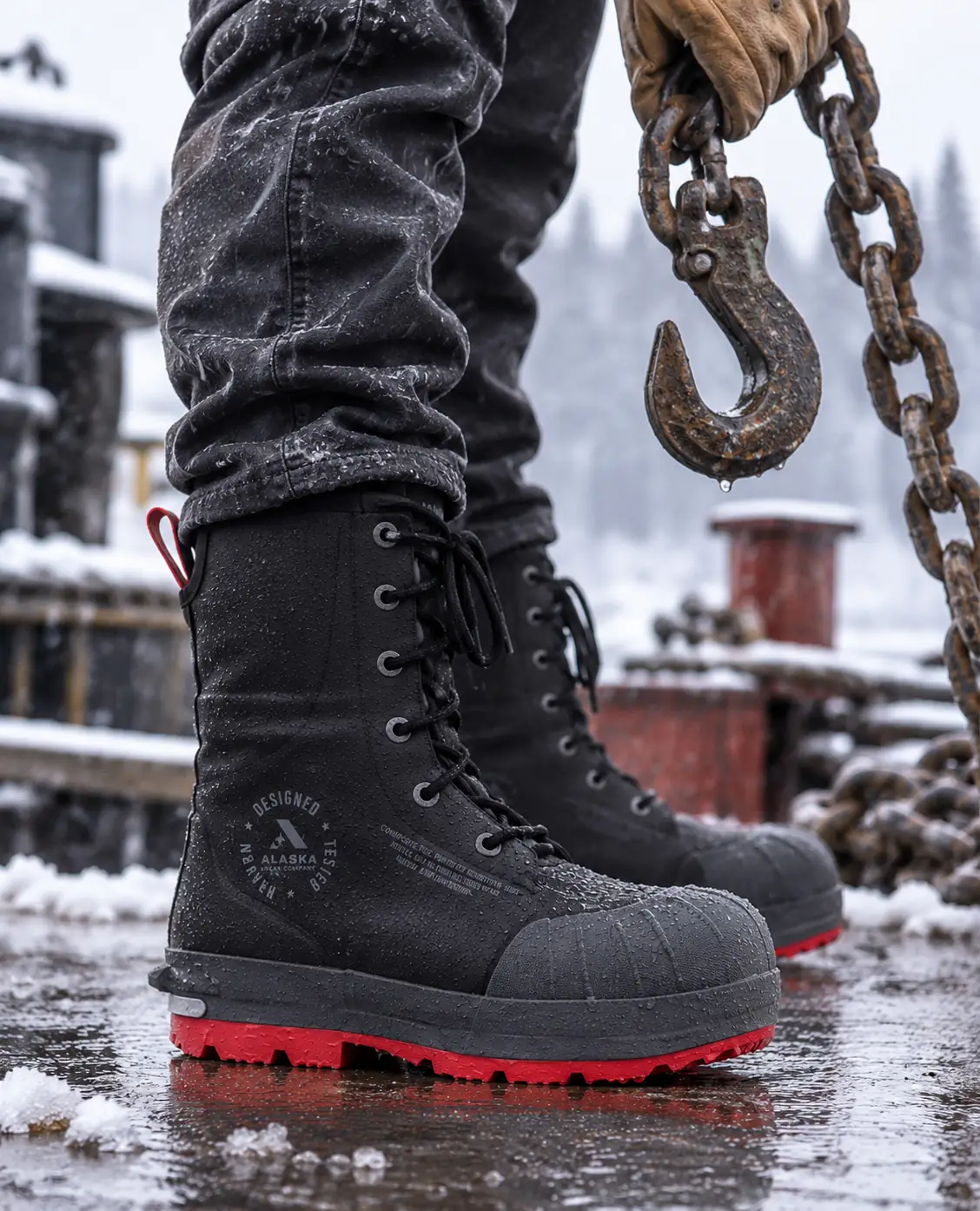
VBX COMPOSITE
Extreme cold work sites that require a safety toe
Max -76°F
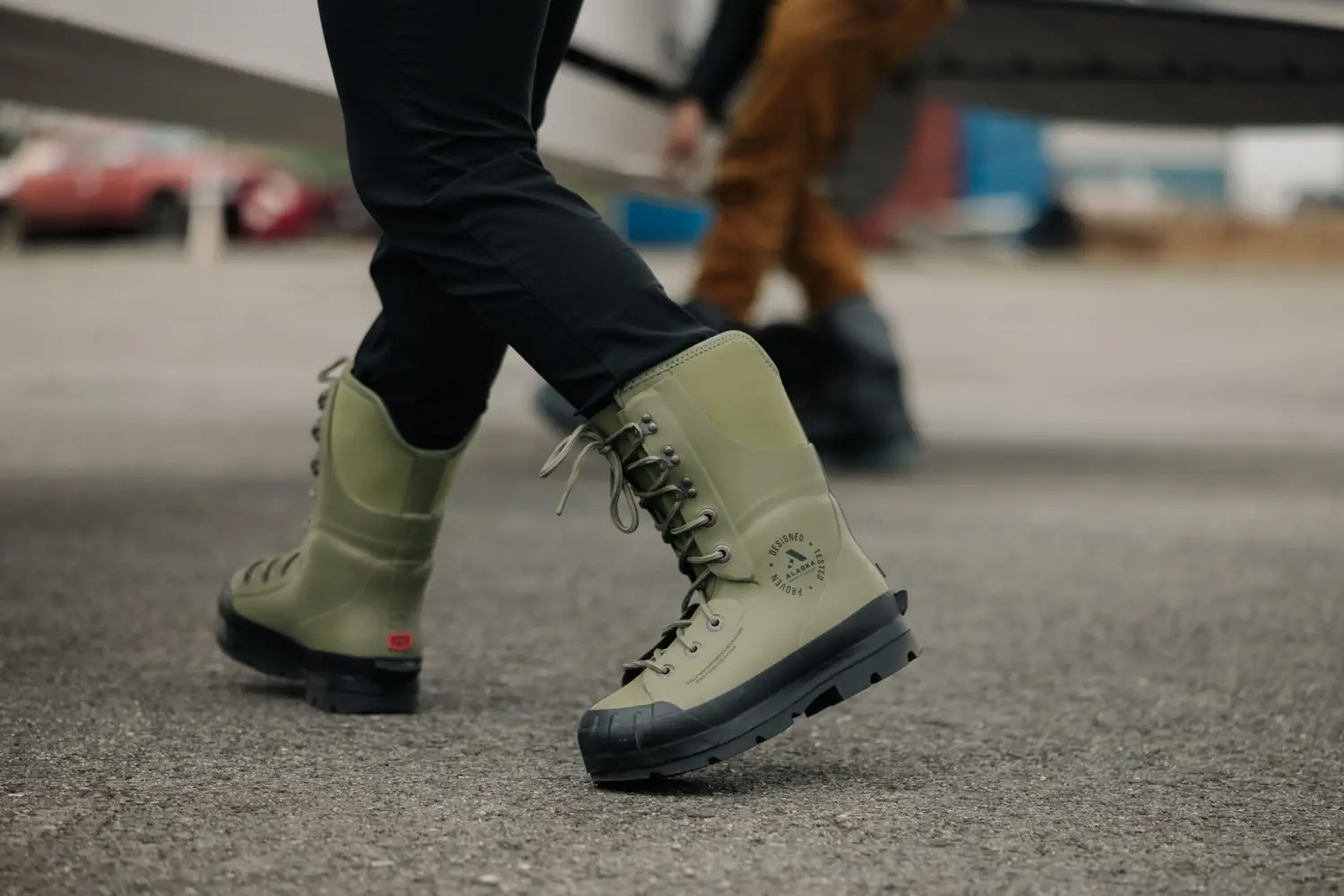
VBX NEO
Deep cold with a lot of walking
Max -72°F
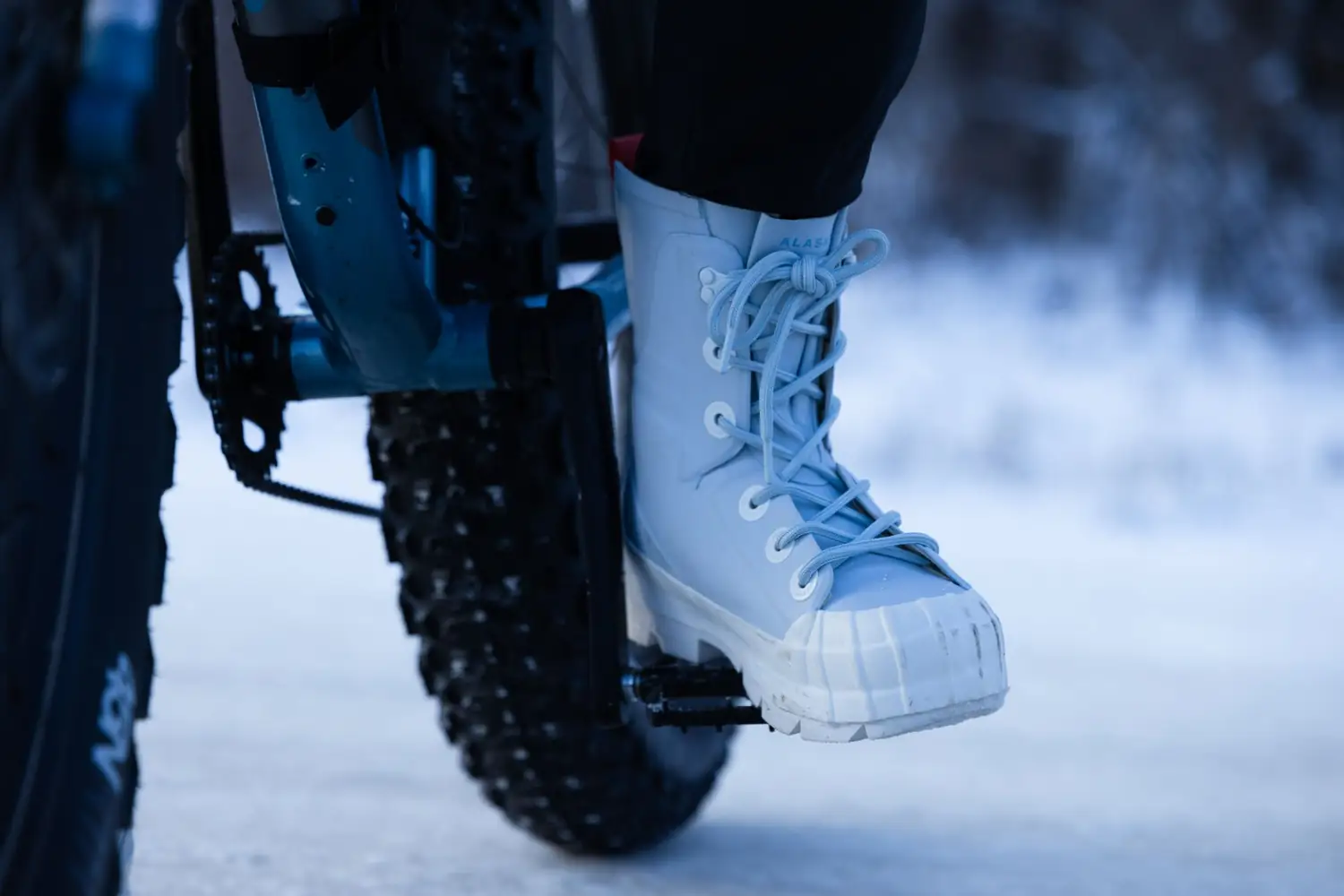
VBX LITE
Everyday cold, slush, and active use
Max -45°F
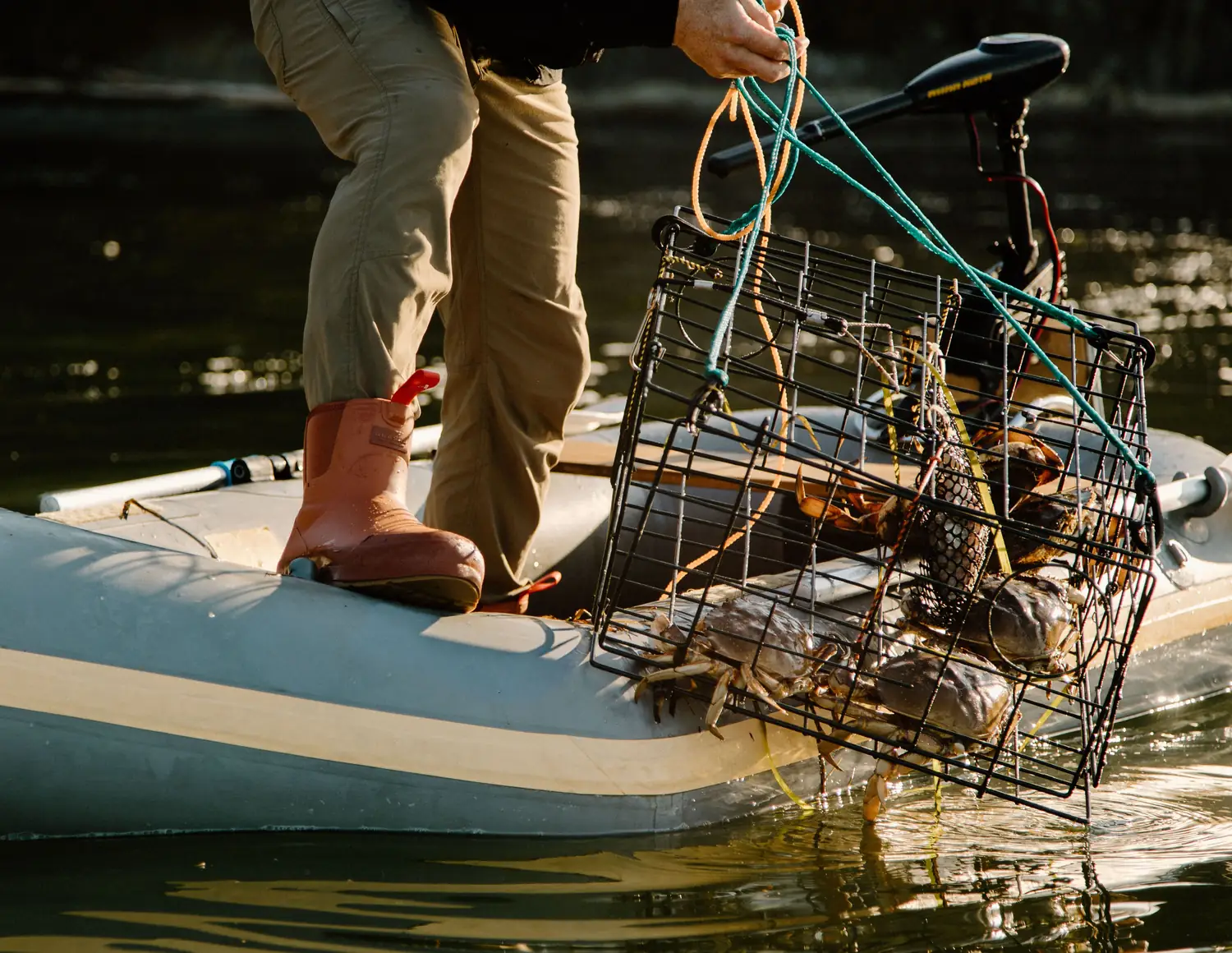
Ankle Deck Boot VBX
Wet decks, docks, and slush where a short boot fits
Single rating
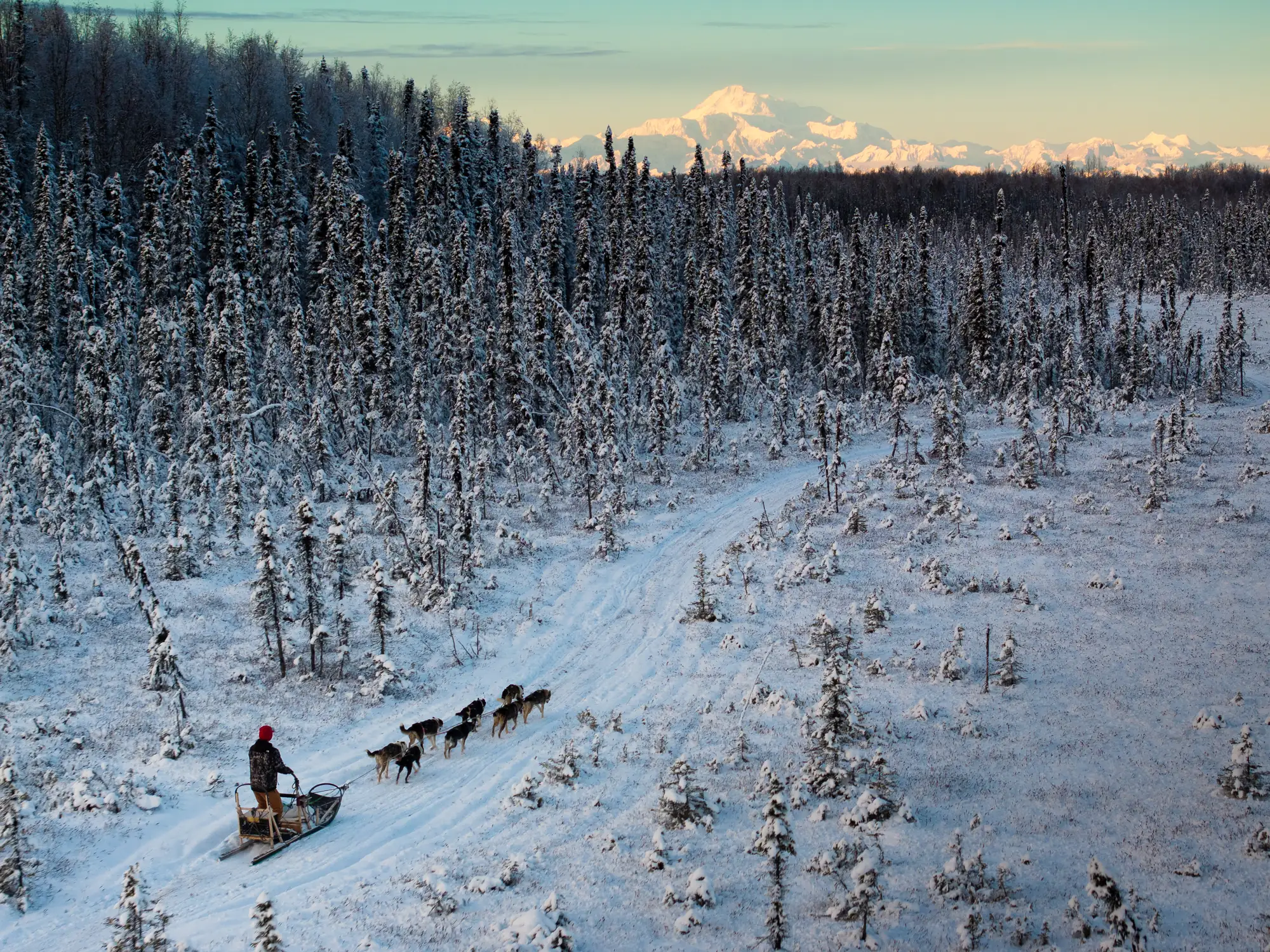
Built for the coldest places people work.
Sealed insulation that water can't reach, from the trapline to the ice.05 / The history
From Korea to the North Slope.
The vapor barrier boot was conceived by Army researchers during World War II, built by a Massachusetts rubber company, and rushed to Marines in Korea after the frostbite crisis of 1950. For four decades it was the standard cold weather boot of the U.S. military. When its main contractor stopped production in 1995, Alaskans kept wearing surplus pairs until they fell apart. With no new pairs being made for civilians, Alaska Gear Company set out to build a modern successor.
- 1944Double vapor barrier footgear cuts moisture buildup by up to 80 percent in Newfoundland trials.
- 1951The first sealed insulated boots reach Marines in Korea.
- 1959The white extreme cold boot is formally adopted for Arctic and Antarctic service.
- 1995The Army announces plans to retire the boot, and its main contractor stops production.
- 2024Alaska Gear Company releases a modern successor, designed and field-tested in Alaska.
06 / The evidence
What the Army measured.
In 1990 the Army tested five boots on a heated foot model after 18 hours in about four inches of water, then put seated volunteers in them at -10°F. Only the vapor barrier boots stayed dry inside.
Source: Endrusick, T. L., Improvement of the U.S. Army Intermediate Cold Wet Boot, USARIEM, NATO RTO-MP-076, 2001.
| Boot | Insulation lost after 18 h in water | Time seated at -10°F |
|---|---|---|
| Army vapor barrier boot, wool-felt insulation | 5% | 125 min |
| Vapor barrier boot, synthetic insulation | 6% | 124 min |
| Leather boot A, breathable membrane | 27% | 64 min |
| Leather boot B, breathable membrane | 35% | 81 min |
| Leather boot over a breathable sock | 13% | 73 min |
07 / Foot care
The boot keeps the insulation dry. You keep your feet dry.
Change into dry socks at least once a day, and two to three times a day in cold, wet conditions. Take the boots off, wipe out the lining, and let your feet air dry. No boot prevents frozen feet if you stand motionless for hours in subzero cold.
Why are they called bunny boots?
The white extreme cold version of the military boot was nicknamed the bunny boot, usually traced to the snowshoe hare, whose coat turns white in winter. The black cold-wet version was called the Mickey Mouse boot.
Do Bunny Boots make your feet sweat?
Sweat never reaches the insulation in a Bunny Boot. By design, moisture from sweat stays inside the boot, so the sealed insulation stays dry, won't freeze, and keeps working all day. Wool socks, a mid-day sock change, and wiping the inside dry keep your feet comfortable.
Which boot is the warmest?
VBX MAX, rated Comfort -34°F, Capable -57°F, and Max -79°F.
Are breathable boots warmer?
Below freezing, sweat vapor condenses or freezes inside a breathable boot's insulation before it can escape. Breathable boots are a reasonable choice for active use in moderate cold where they can dry out each night.