How to choose a winter boot for extreme cold
The deciding question is where the moisture goes. A vapor barrier boot keeps all moisture on the foot side and the insulation permanently dry. Every other design lets moisture into the insulation and depends on drying it out.
Four ways to build a cold weather boot
| Design | Outside water | Sweat | If the insulation gets wet | Main drawback |
|---|---|---|---|---|
| Sealed vapor barrier rubber boot (military bunny boot, VBX) | Blocked by outer rubber; water over the top is held at the foot and warmed | Held on the foot side; insulation stays dry | It can't get wet unless the shell is punctured | Weight, sweaty feet, needs daily sock changes |
| Insulated leather or synthetic boot with a waterproof-breathable membrane | Blocked for short exposure; let in standing water after 18 h in Army testing | Meant to pass outward as vapor; condenses or freezes in the insulation below freezing | Lost 27 to 35 percent of insulation after immersion in Army testing | Moisture builds up over the day in cold |
| Pac boot or boot with a removable liner | Rubber lower blocks water; the upper may not | Soaks the liner and socks | Swap in a dry liner or dry socks | Liners and socks to carry and dry |
| Uninsulated rubber boot | Blocked | Trapped against the foot | No insulation to protect | Little warmth; loses about 30 percent of its small insulation from air movement while walking |
Match the boot to the conditions
| Condition | What the evidence says |
|---|---|
| Standing water, slush, overflow, or a breakthrough, at any temperature | Vapor barrier boots stayed dry inside and kept 94 to 95 percent of their insulation after 18 hours in water. Membrane leather boots took on water and lost 27 to 35 percent. |
| Wet and above freezing, about 33 to 60°F | The risk is wet feet plus inactivity: trench foot territory. A sealed boot keeps outside water out, but it also makes feet sweat, and the Army found its black boot too warm above 40°F. The lightest model with frequent sock changes fits best. No study compares boot types in this range. |
| Cold, about 0 to 32°F, active | Breathable boots work if they can be dried each night. Vapor barrier boots work with daily sock changes. The choice depends on how wet it is and how long between chances to dry out. |
| Extreme cold below 0°F, especially with long inactive periods | Seated volunteers at -10°F lasted about 125 minutes in vapor barrier boots against 64 to 81 minutes in membrane boots. Breathable boots lose the most to condensation and freezing at these temperatures. |
A vapor barrier boot is the strongest documented choice wherever cold combines with water you can't avoid, and in extreme cold with long periods standing or sitting still.
By activity
| Activity | What matters | Start with |
|---|---|---|
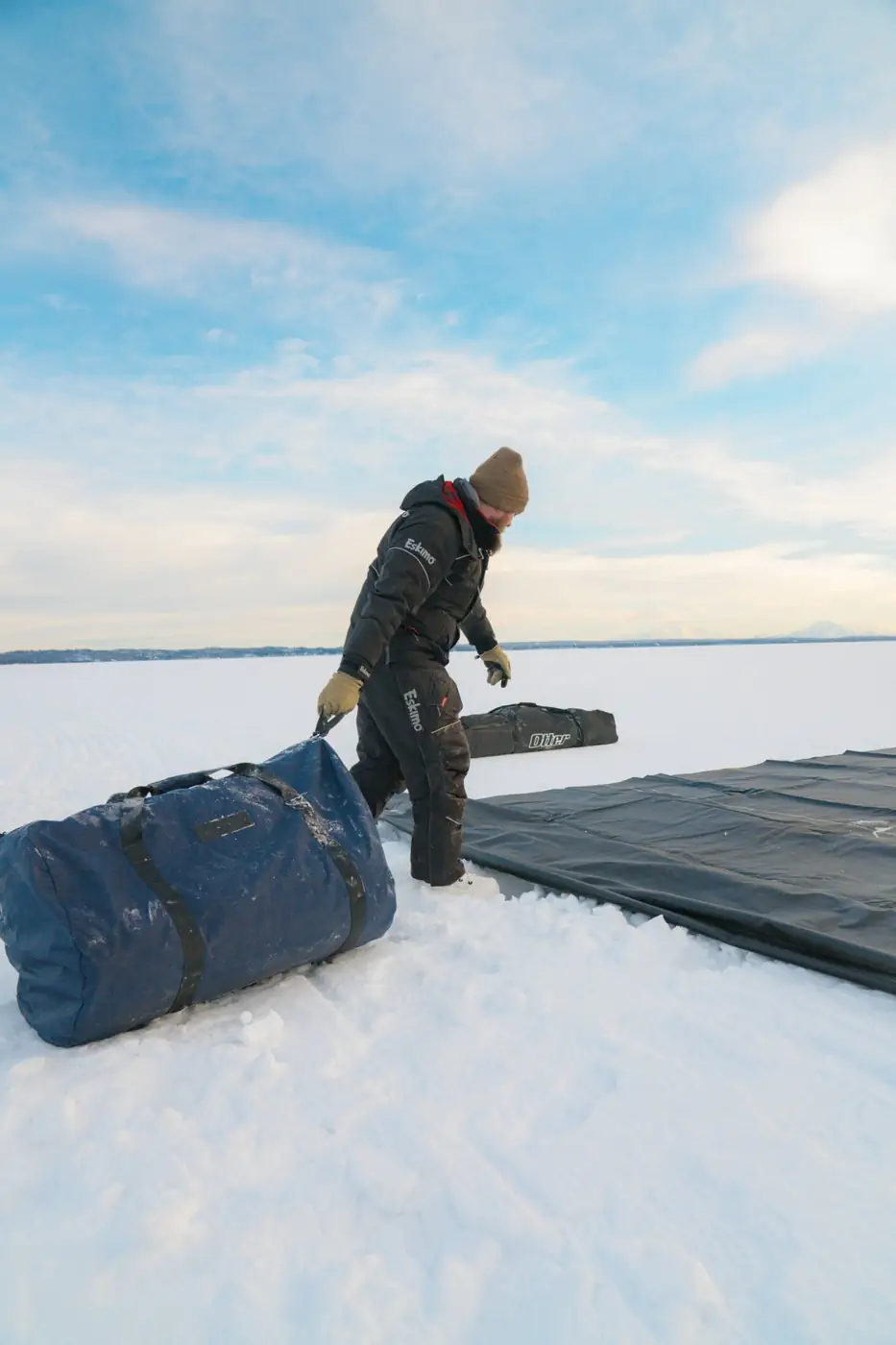
| Ice fishing | Hours standing or sitting on ice; overflow rising through the hole when snow weighs the ice down; cold conducted up through the sole | VBX MAX |
| Oil field, pipeline, construction, utilities | Safety toe, slip and puncture resistance, oil and chemicals, long shifts in subzero cold | VBX COMPOSITE |
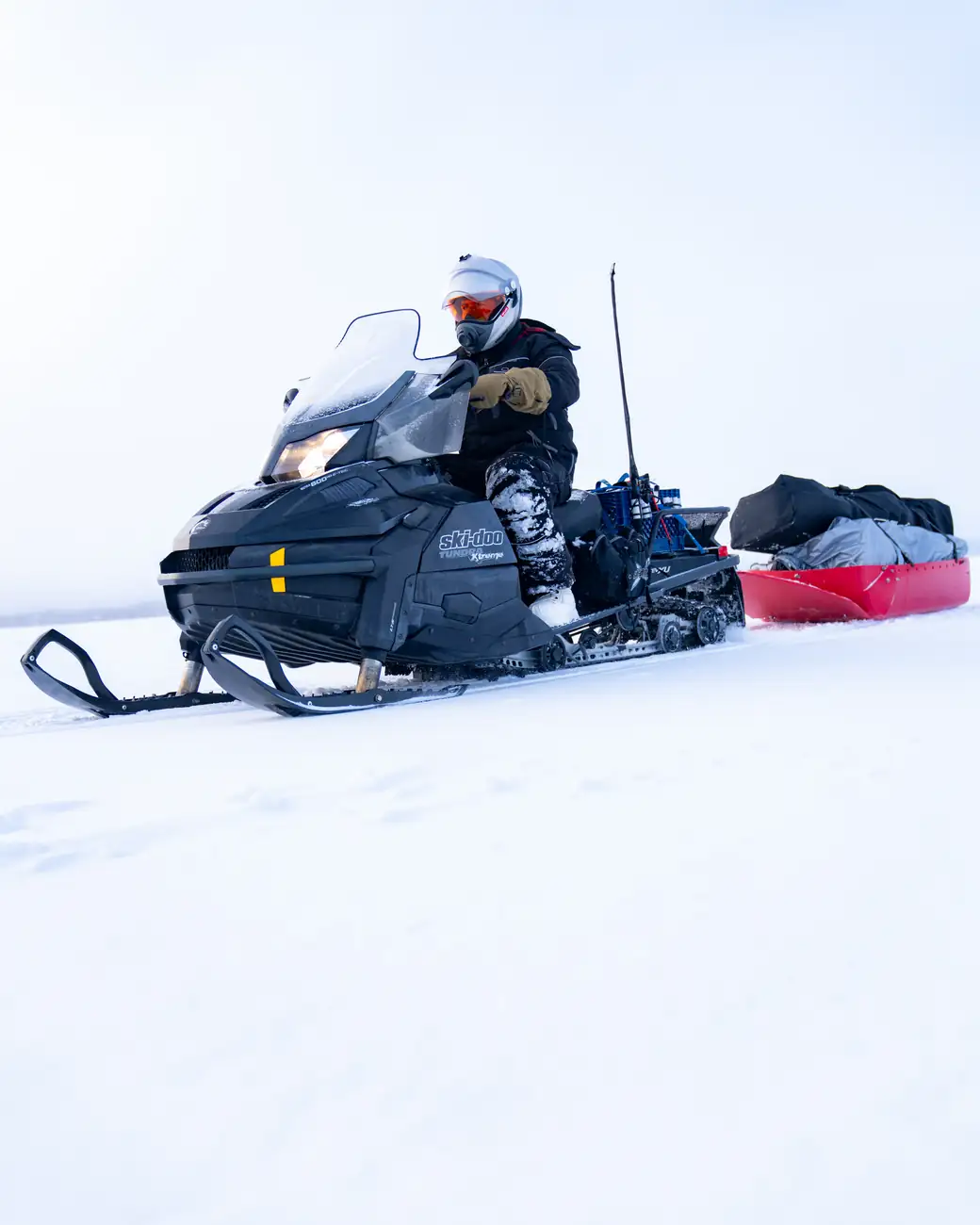
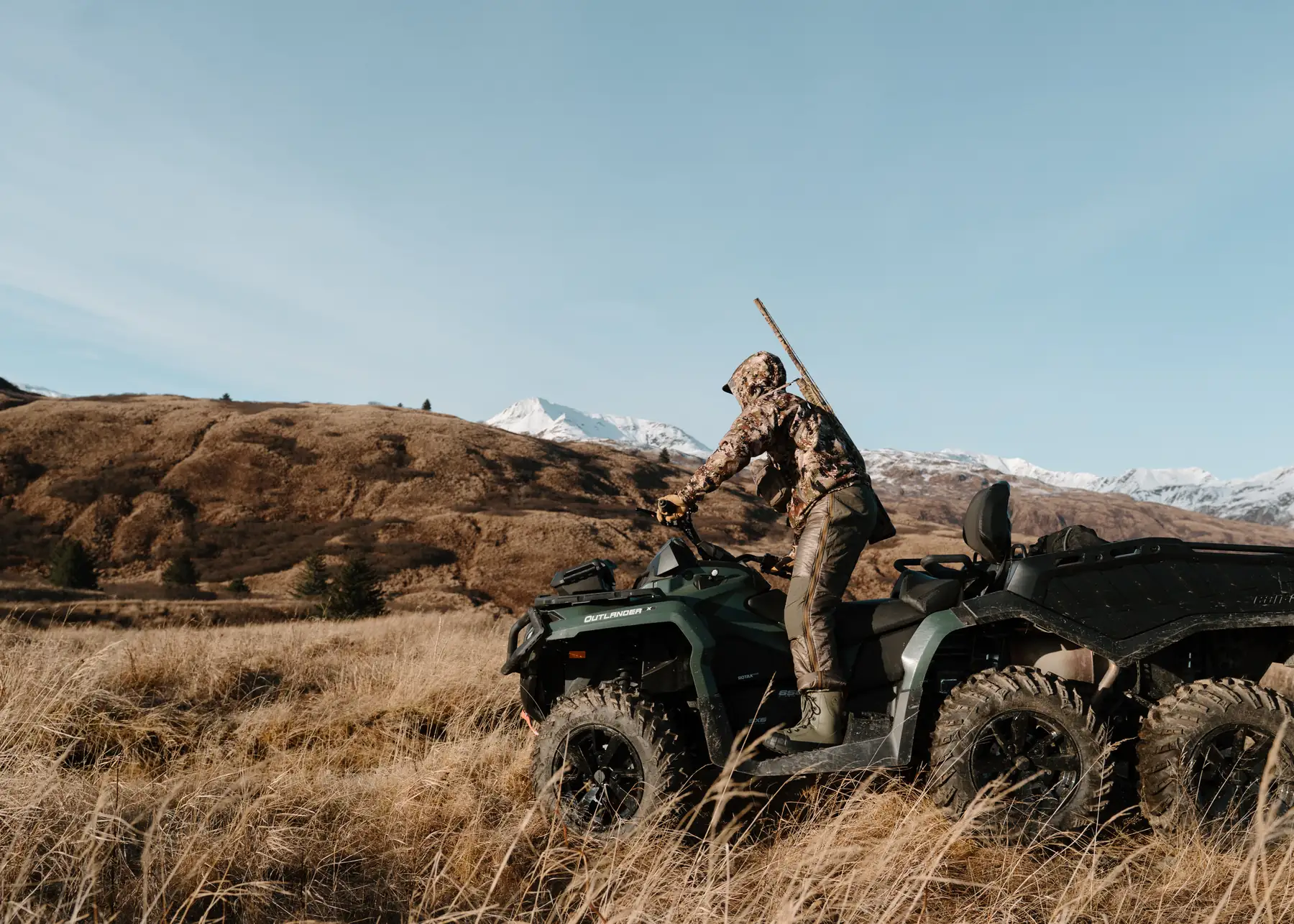
| Hunting, trapping, sled hauling, snowshoeing | Covering ground in deep snow with shorter stops; flex at the ankle | VBX NEO, or VBX MAX for long sits |
| Dog mushing | Long exposure, wind, and long periods standing on the runners | VBX MAX |
| Everyday winter, commuting, chores, slush | Lighter weight, wet snow and meltwater, moderate cold | VBX LITE |
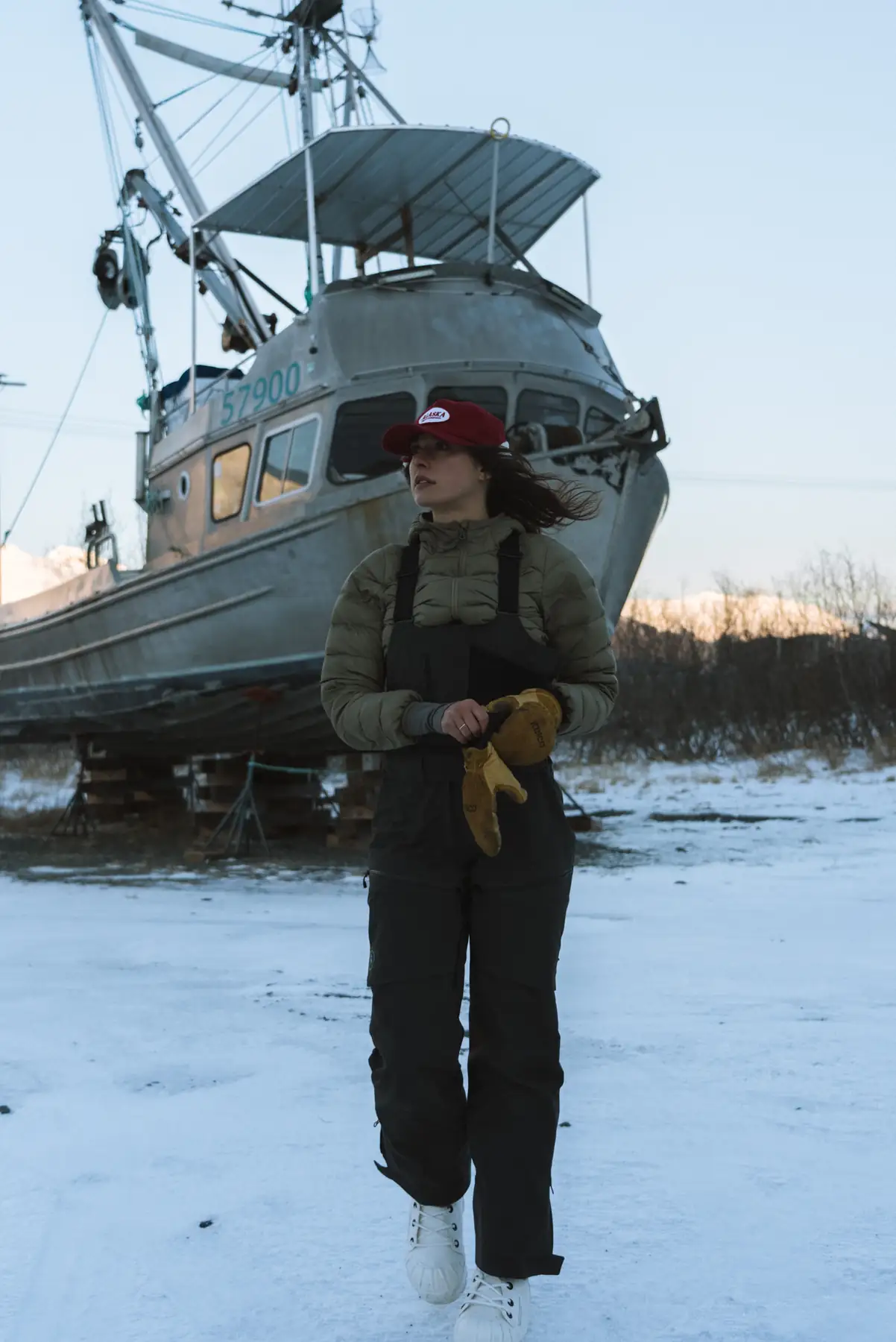
| Boats, docks, harbors, coastal winters | Wet decks, non-marking grip, quick on and off | Ankle Deck Boot VBX |
Narrow it down
Set your coldest temperature, how you'll spend the time, and any requirements.
- VBX MAX-34° / -57° / -79°F
- VBX COMPOSITE-31° / -53° / -76°F
- VBX NEO-27° / -50° / -72°F
- VBX LITE-5° / -28° / -45°F
- Ankle Deck Boot VBXRated to -35°F